Rule of Law

The principle that law, not arbitrary will, governs society. The rule of law requires clarity, consistency, equality, and accountability. It’s the foundation upon which justice systems rest—and the principle repeatedly tested in states facing conflict, fragility, and authoritarian pressure. Understanding rule of law means examining both its promise and its vulnerabilities.

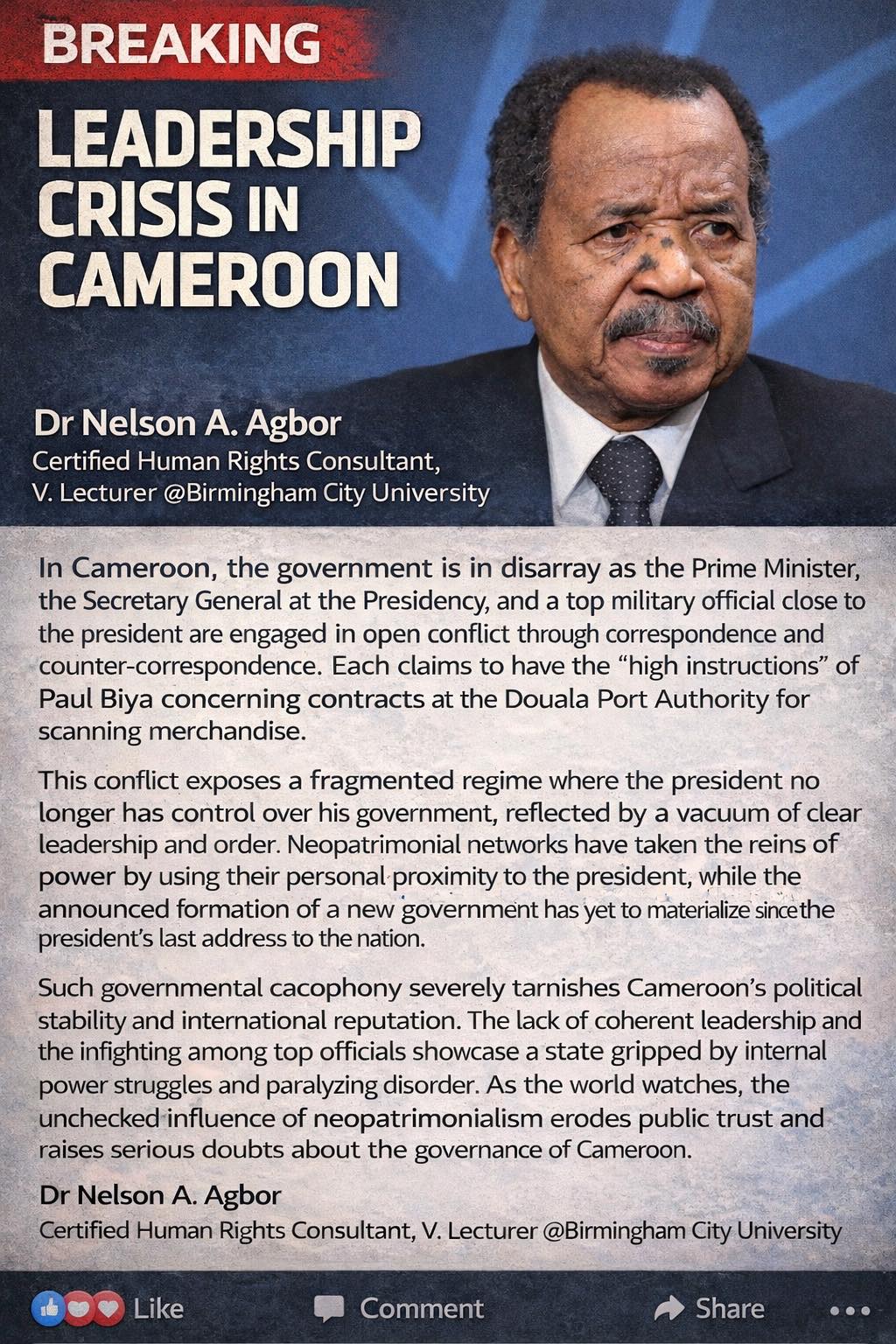
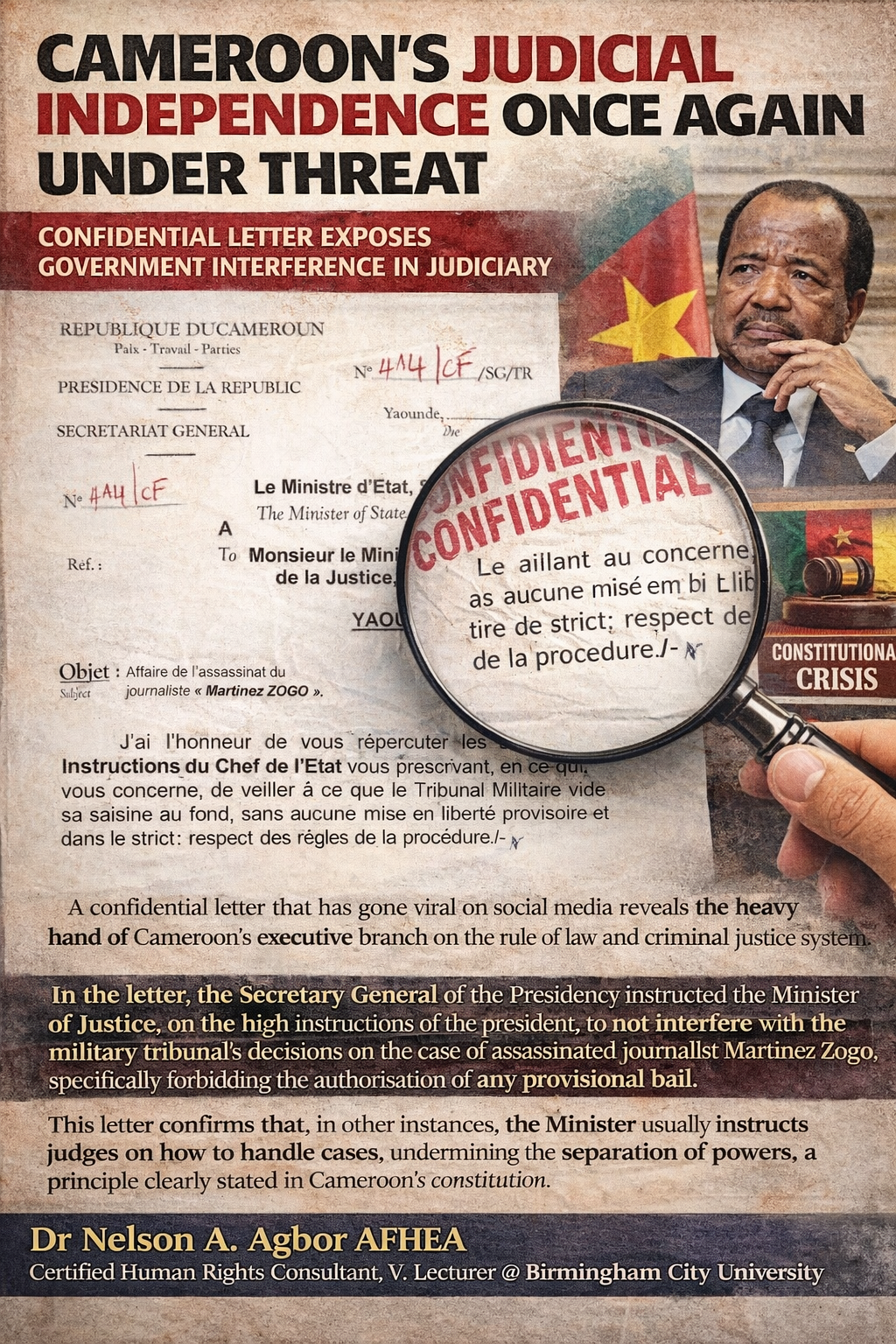
Executive Influence and the Erosion of Judicial Independence in Cameroon: The Martinez Zogo Case.

The principle of the separation of powers remains a fundamental element of constitutional democracy, designed to ensure that the executive, legislative, and judicial branches function independently to prevent abuse of authority. In Cameroon, however, this principle, although formally enshrined in the Constitution, has increasingly come under scrutiny due
Read More...

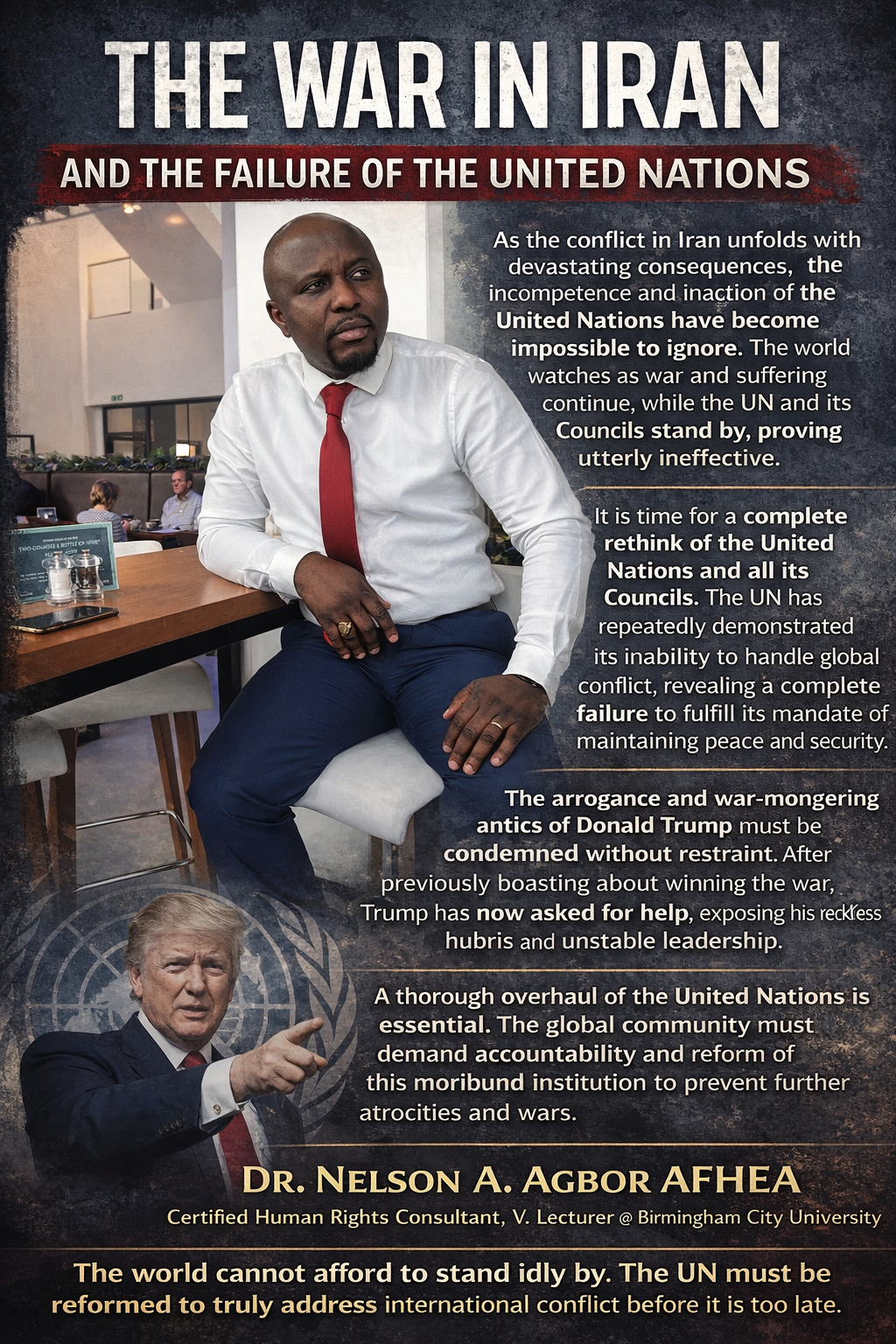
War in Iran and the Crisis of Global Governance: Rethinking the Role and Structure of the United Nations.

The ongoing war in Iran has become a key geopolitical crisis of the early twenty-first century, revealing fundamental weaknesses in global governance and multilateral diplomacy. As tensions have increased across the region, the international community has found it difficult to respond effectively to growing humanitarian crises, regional instability,

Read More...

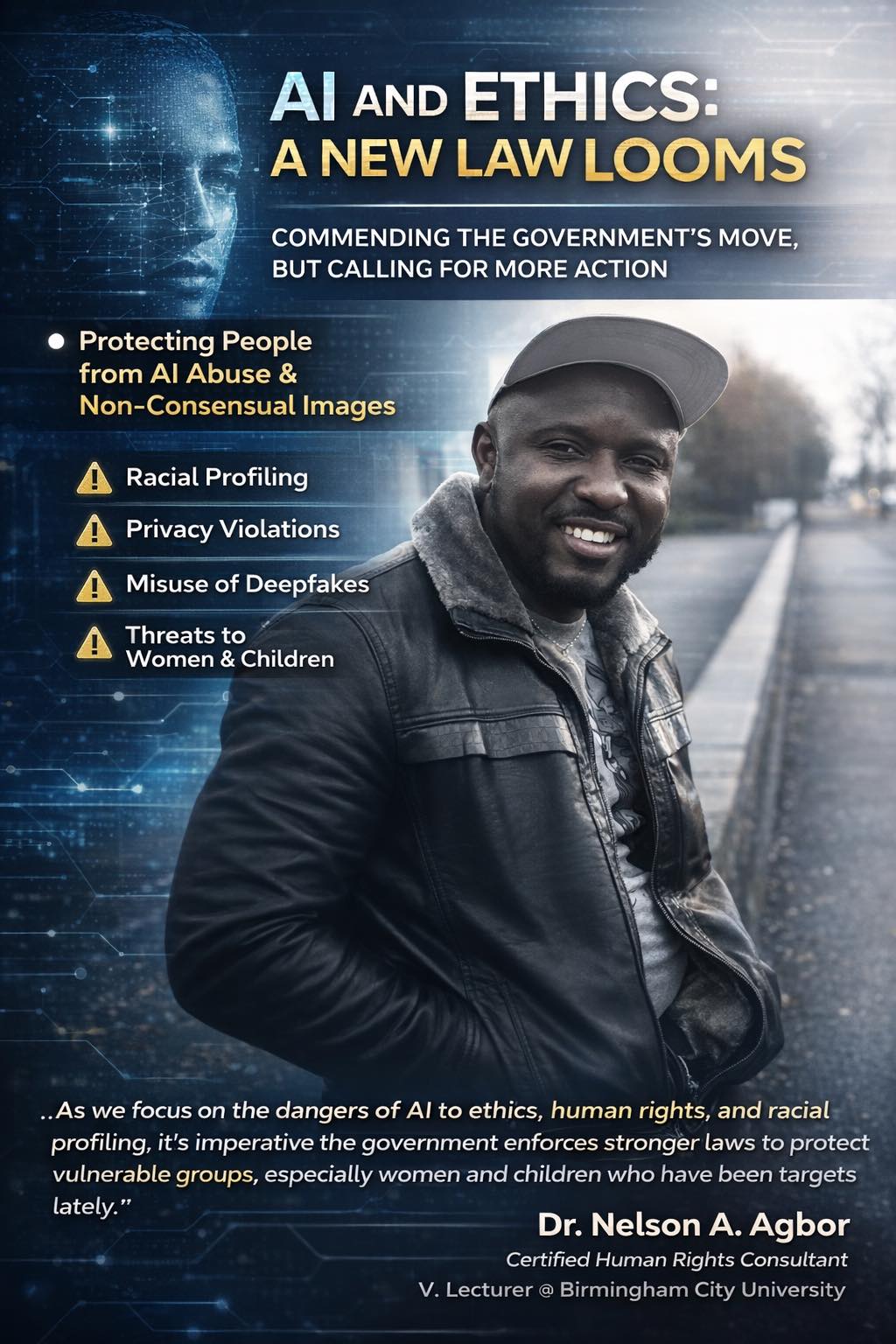
EMERGING TECHNOLOGY, ENDURING RIGHTS: WHY GOVERNMENTS MUST GO FAR IN PROTECTING CITIZENS FROM AI HARM

The UK government’s initiative to introduce legislation addressing non-consensual AI-generated explicit images marks a significant and commendable step toward safeguarding digital dignity in an era of rapid technological advancement. As artificial intelligence becomes increasingly sophisticated, its misuse has created new pathways for exploitation that existing legal frameworks have struggled

Read More...

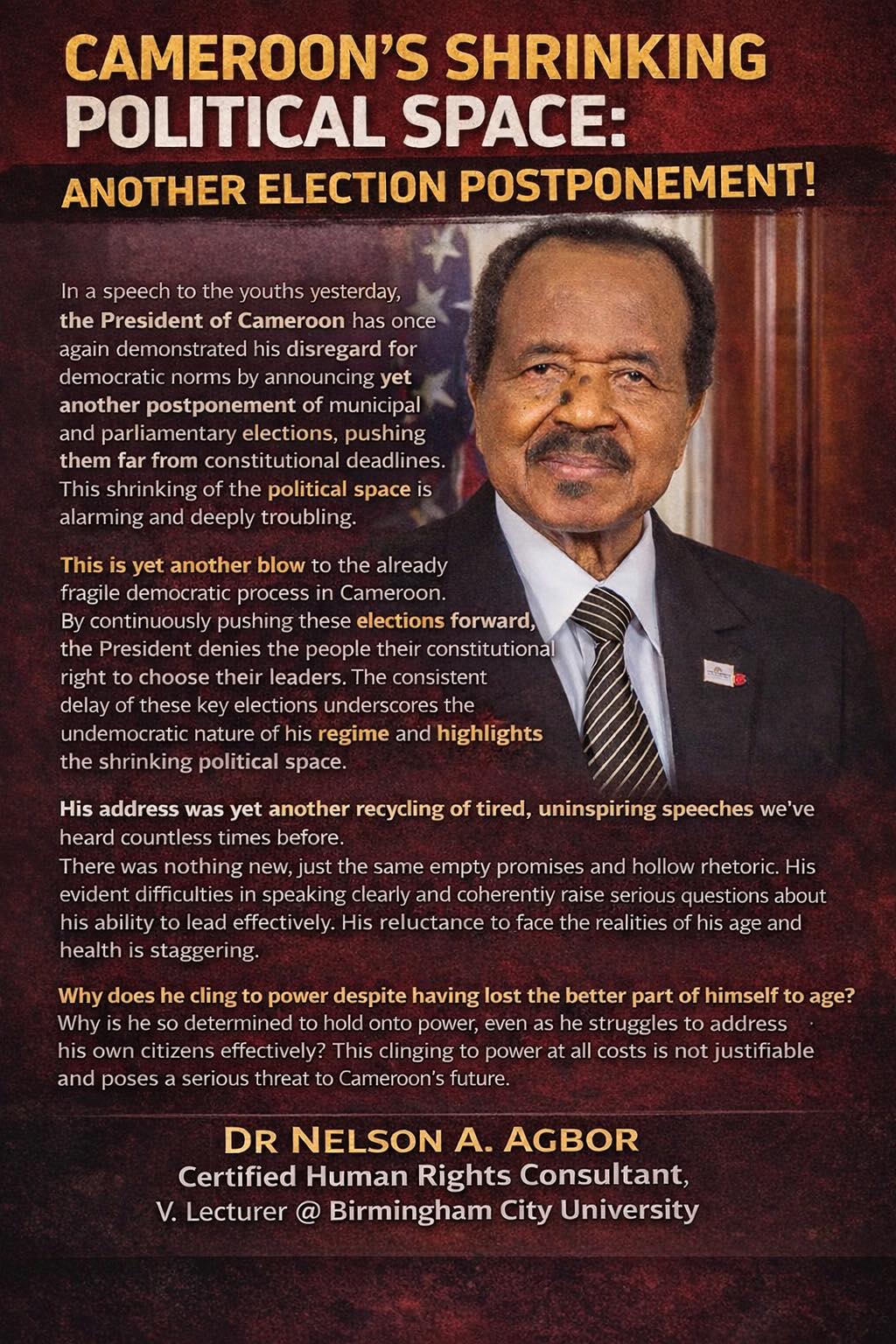
YOUTH, POWER, AND THE EROSION OF CONSTITUTIONAL TIME: A REFLECTION ON RECYCLED PRESIDENTIAL ADDRESSES IN CAMEROON

Biya’s presidential address to the youth of Cameroon yesterday once again invites rigorous intellectual scrutiny, particularly at a moment when the country stands at a delicate institutional crossroads. In political theory, the credibility of a constitutional democracy is measured not merely by the existence of formal structures, but

Read More...

HUMANITARIANISM OR EXPLOITATION? THE DARK REALITY OF ANGLOPHONE CAMEROON’S TOXIC SOCIAL MEDIA CULTURE.

Cameroon’s social media space has increasingly evolved into a troubling arena where vulnerability is exploited for profit, particularly amid the prolonged humanitarian crisis affecting Anglophone regions. What should serve as a platform for information sharing, advocacy, and community support has, in many instances, degenerated into a marketplace of

Read More...

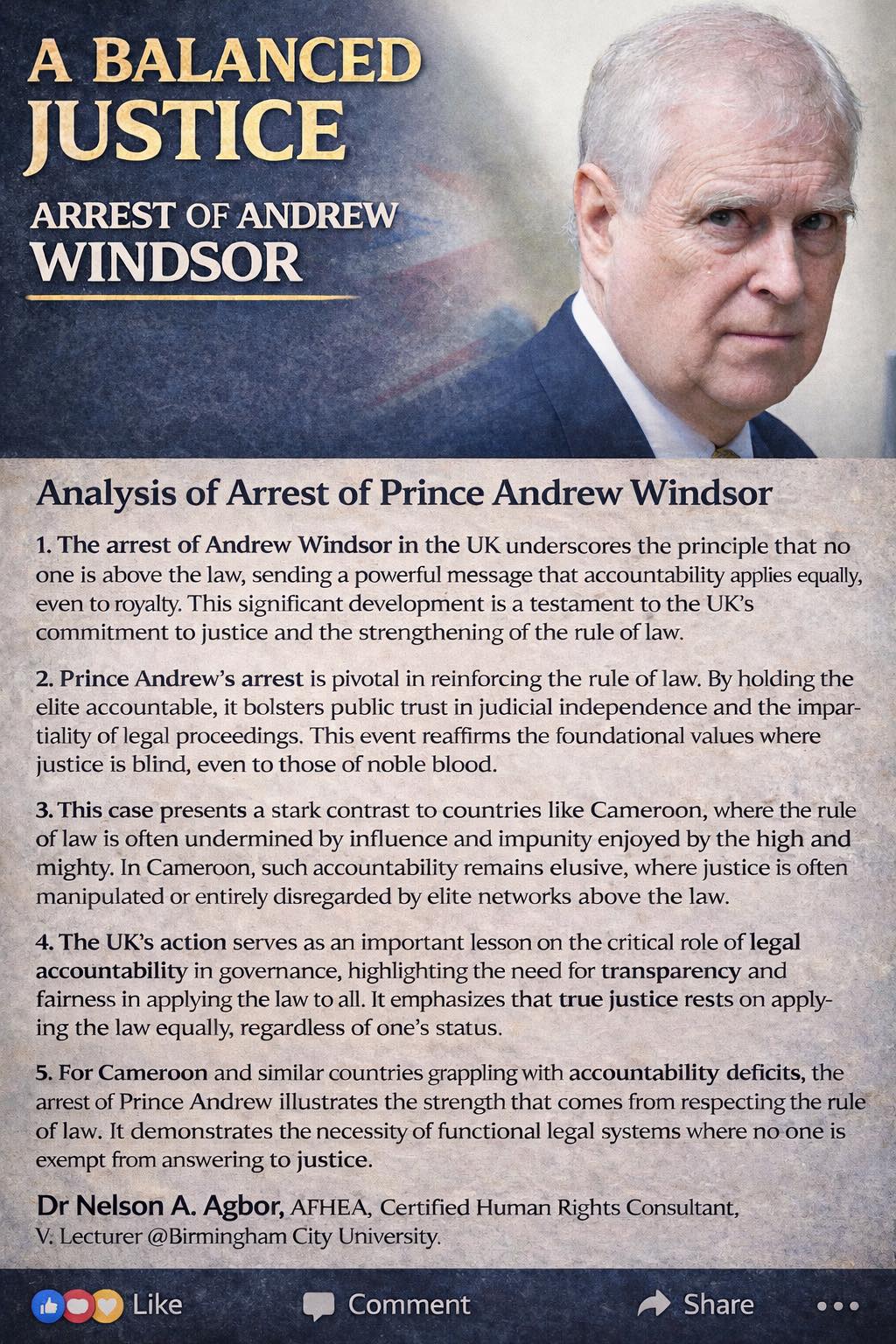
ACCOUNTABILITY BEYOND PRIVILEGE: LEGAL SCRUTINY OF HIGH-PROFILE FIGURES AND THE STRENGTH OF THE RULE OF LAW IN THE UNITED KINGDOM.

The arrest and eventual release after over 12 hours of questioning yesterday of Andrew Mountbatten Windsor, better known as Prince Andrew, on his 66th birthday amid allegations involving Epstein, has renewed debate about equality before the law in the United Kingdom. While public figures often occupy symbolic positions

Read More...

About Me

Legal Scholar & Human Rights Advocate

Dr Nelson A. Agbor

Visiting Lecturer in Law exploring the intersection of human rights, constitutional governance, and international law. Passionate about accessible legal education and meaningful scholarship.