
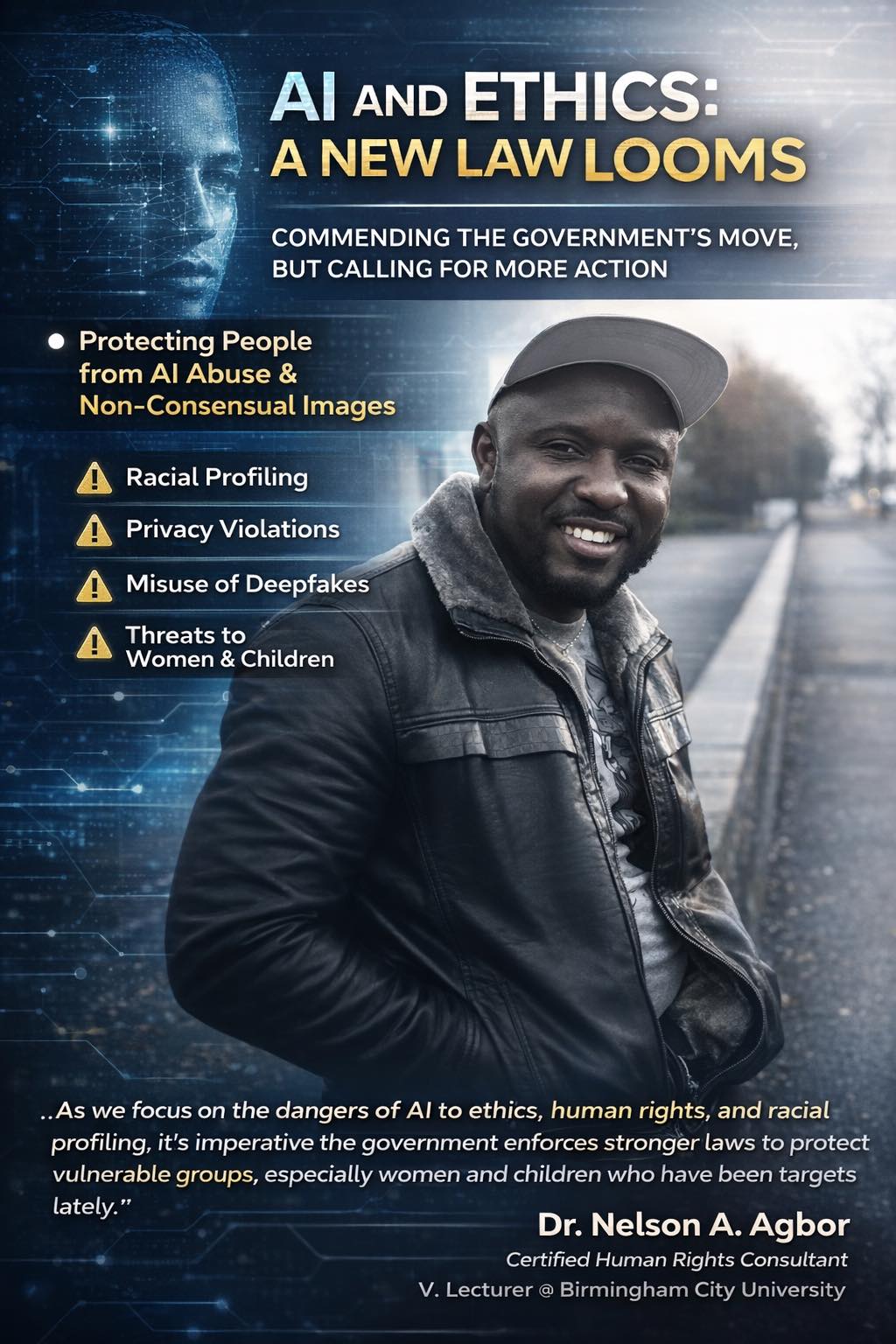
The UK government’s initiative to introduce legislation addressing non-consensual AI-generated explicit images marks a significant and commendable step toward safeguarding digital dignity in an era of rapid technological advancement. As artificial intelligence becomes increasingly sophisticated, its misuse has created new pathways for exploitation that existing legal frameworks have struggled to address. By acknowledging this emerging threat and moving toward formal regulation, policymakers demonstrate a necessary awareness that technological progress must be accompanied by equally robust ethical oversight.
Artificial intelligence, while transformative in its potential benefits, presents profound ethical challenges. The creation and distribution of fabricated explicit material without consent constitutes a serious violation of personal autonomy and human rights, often leaving victims with lasting psychological, social, and professional harm. Such abuses undermine trust in digital spaces and blur the boundaries between reality and manipulation, raising urgent questions about accountability, consent, and the moral responsibilities of both developers and users.
Equally concerning is the accelerated deployment of face recognition technologies, which have already generated numerous complaints related to privacy and surveillance. Evidence from global studies suggests that these systems can reproduce and amplify racial biases embedded within training data, leading to disproportionate misidentification of minority groups. This form of algorithmic profiling not only threatens civil liberties but also risks institutionalising discrimination under the guise of technological efficiency. Careful regulation, transparency, and independent oversight are therefore essential to prevent systemic inequities.
While the forthcoming law represents meaningful progress, it should be viewed as a foundation rather than a final solution. The government must continue strengthening enforcement mechanisms, ensuring that penalties are sufficiently deterrent and that victims have accessible avenues for reporting and redress. Special attention must be directed toward protecting women and children, who have increasingly become targets of AI-enabled abuse. Preventative strategies, including public education, platform accountability, and rapid content-removal protocols, will be critical to minimising harm.
Ultimately, responsible governance in the age of artificial intelligence requires a proactive rather than reactive approach. By expanding legal protections, investing in ethical standards, and fostering collaboration between regulators, technologists, and civil society, the government can help shape a digital environment where innovation does not come at the expense of fundamental rights. Continued vigilance and policy evolution will be necessary to ensure that technology remains a tool for empowerment rather than exploitation.US Institute of Diplomacy and Human RightsCentre for Human Rights and Democracy in AfricaUnited NationsHuman Rights WatchAmnesty International UKAfrican Committee of Experts on the Rights and Welfare of the ChildSky NewsAfrican UnionOccupy DemocratsUnited Nations Human RightsAfrican Court on Human and Peoples’ RightsInstitute for Human Rights and Development in Africa (IHRDA)United States Institute of PeaceEuropean Convention on Human RightsUK House of CommonsUK House of Lords
Dr Nelson A. Agbor,
Certified Human Rights Consultant,
V. Lecturer @Birmingham City University.




