Legal Theory

The philosophical heart of legal scholarship. What is law? Why should we obey it? How should power be constrained by principle? Legal theory asks the foundational questions that ground all other legal inquiry. It’s where we examine different schools of thought, challenge assumptions, and develop the intellectual frameworks that shape legal practice.

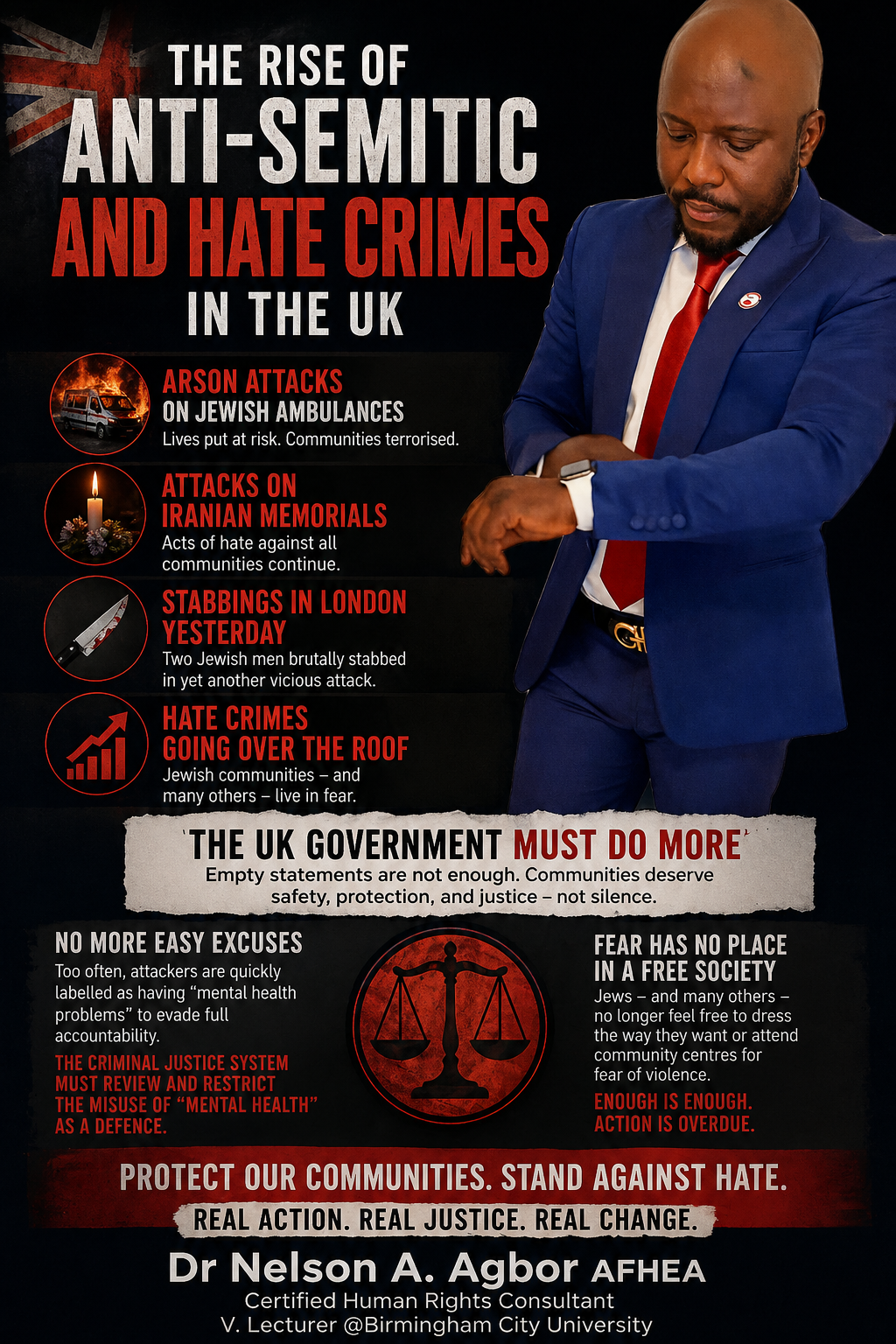
Escalating Hate: Antisemitic Violence, Institutional Framing, and the Limits of Criminal Justice in Contemporary Britain.

The contemporary United Kingdom is witnessing a deeply troubling resurgence of antisemitic and hate-motivated violence, a phenomenon that demands rigorous academic scrutiny and urgent policy intervention. Recent empirical data show that antisemitism is no longer confined to sporadic incidents but has become a persistent, structurally embedded threat. The
Read More...

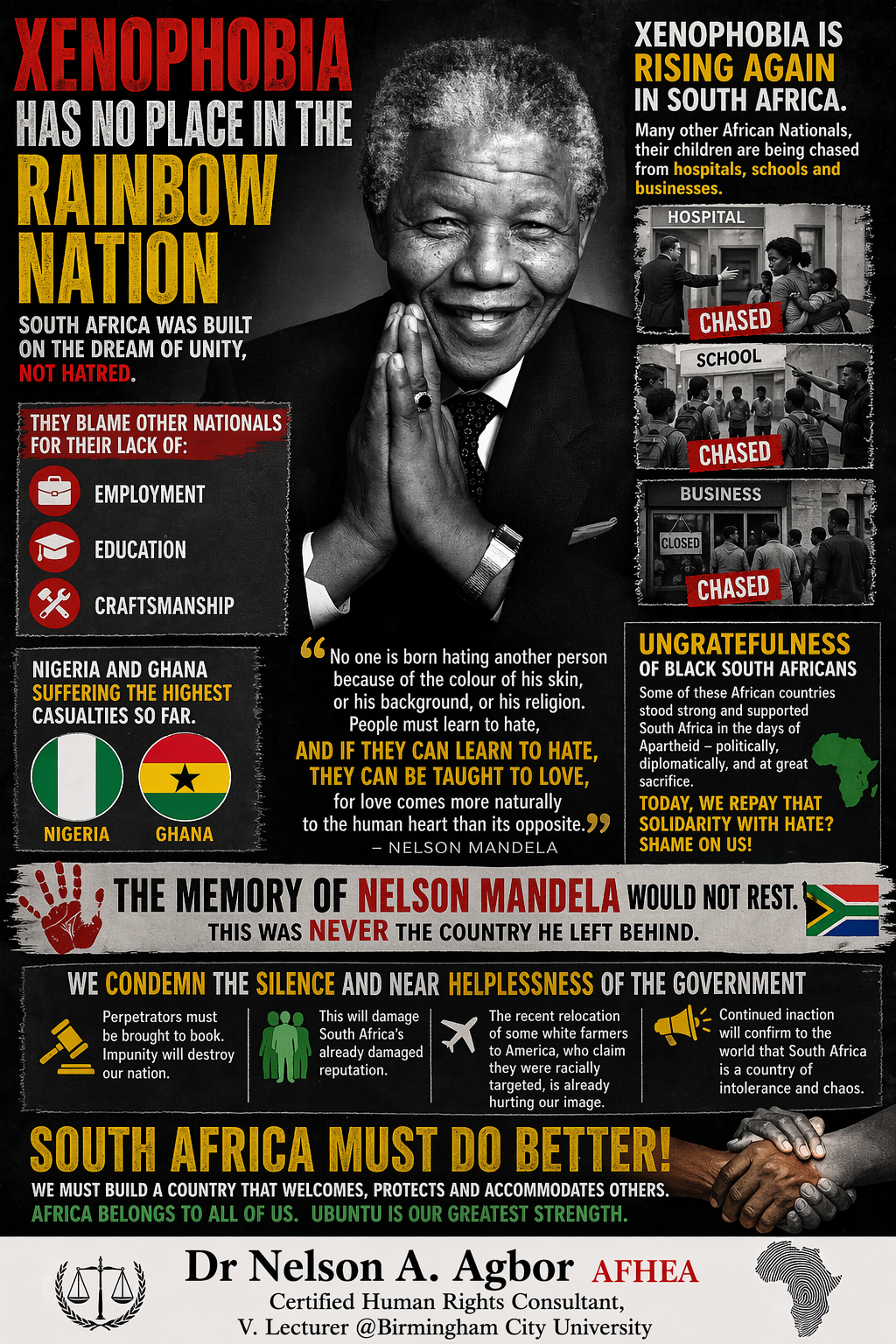
Fractured Solidarity: Xenophobia, Historical Amnesia, and the Crisis of Pan-Africanism in South Africa.

The resurgence of xenophobic violence in South Africa is a deeply destabilising social and political phenomenon with regional implications. Over the past decade, periodic outbreaks of violence have targeted African migrants—particularly those from Nigeria, Ghana, Zimbabwe, Somalia, and Ethiopia—causing deaths, displacement, and the destruction of livelihoods. These incidents

Read More...

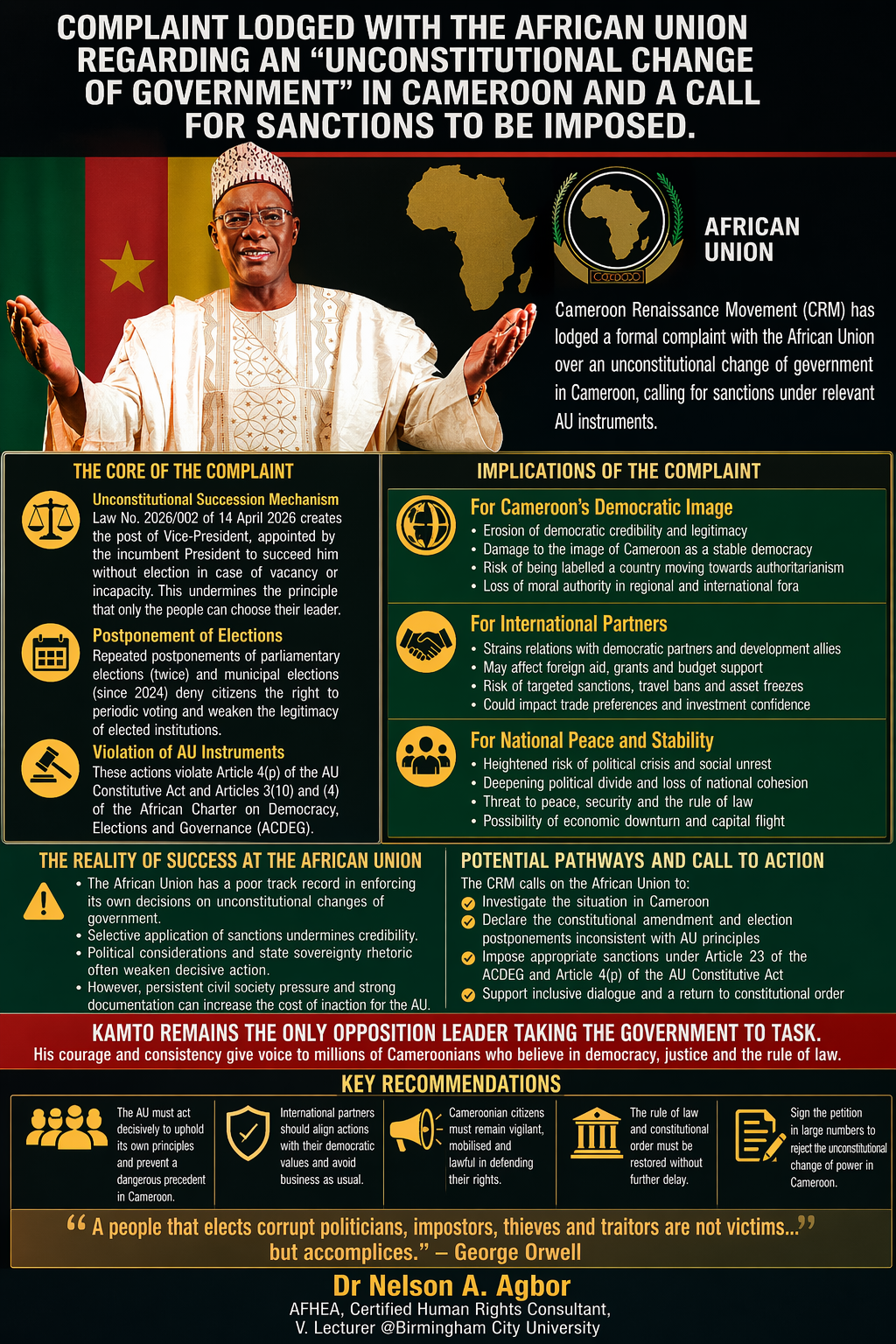
Opposition, Constitutionalism, and Accountability in Cameroon: The Singular Role of Maurice Kamto in Challenging the Consolidation of Executive Power.

The complaint submitted by the Cameroon Renaissance Movement (CRM) to the African Union (AU) regarding an alleged “unconstitutional change of government” in Cameroon raises complex legal, institutional, and political questions that extend beyond the immediate national context. At its core, the complaint invokes continental norms embedded in the

Read More...

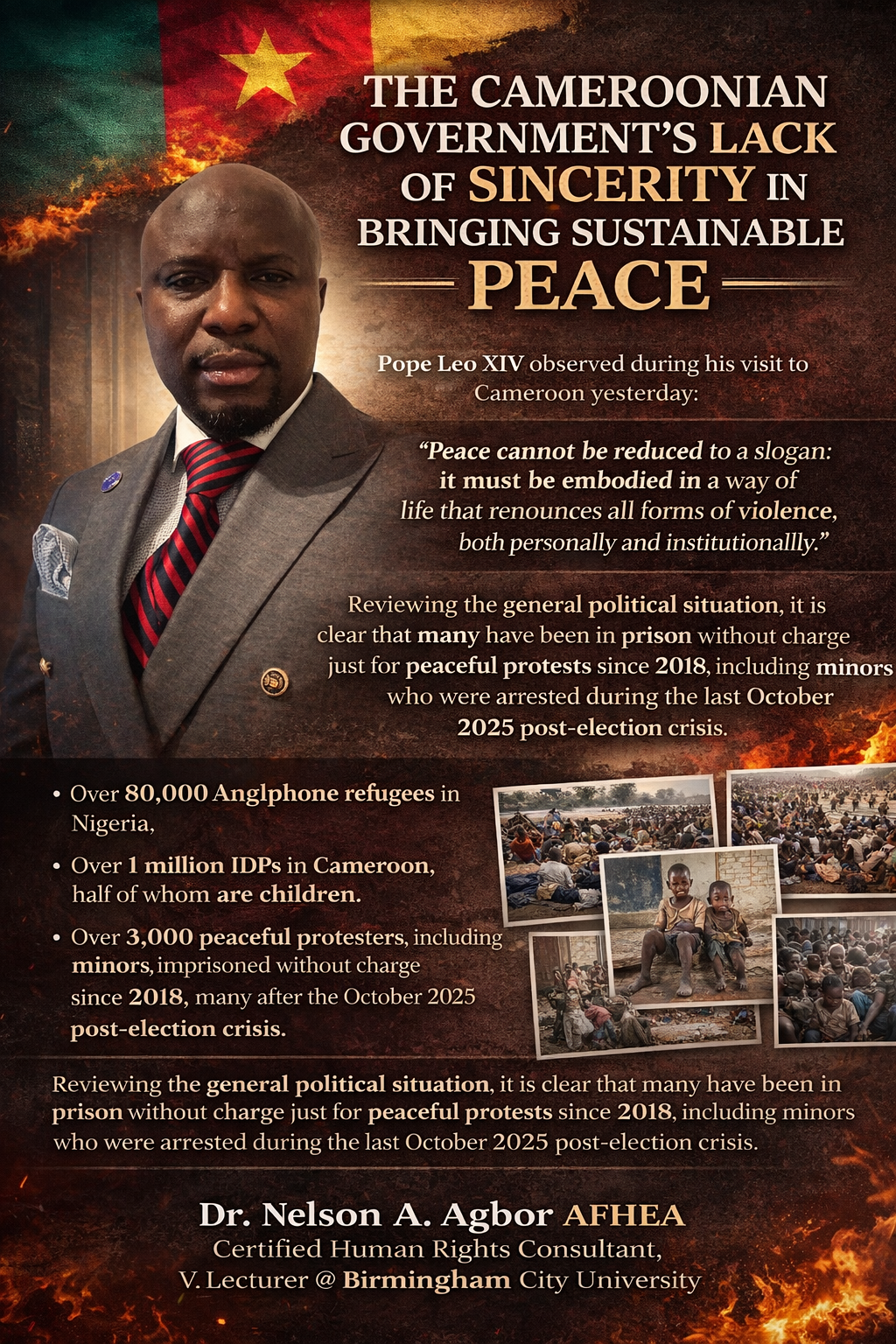
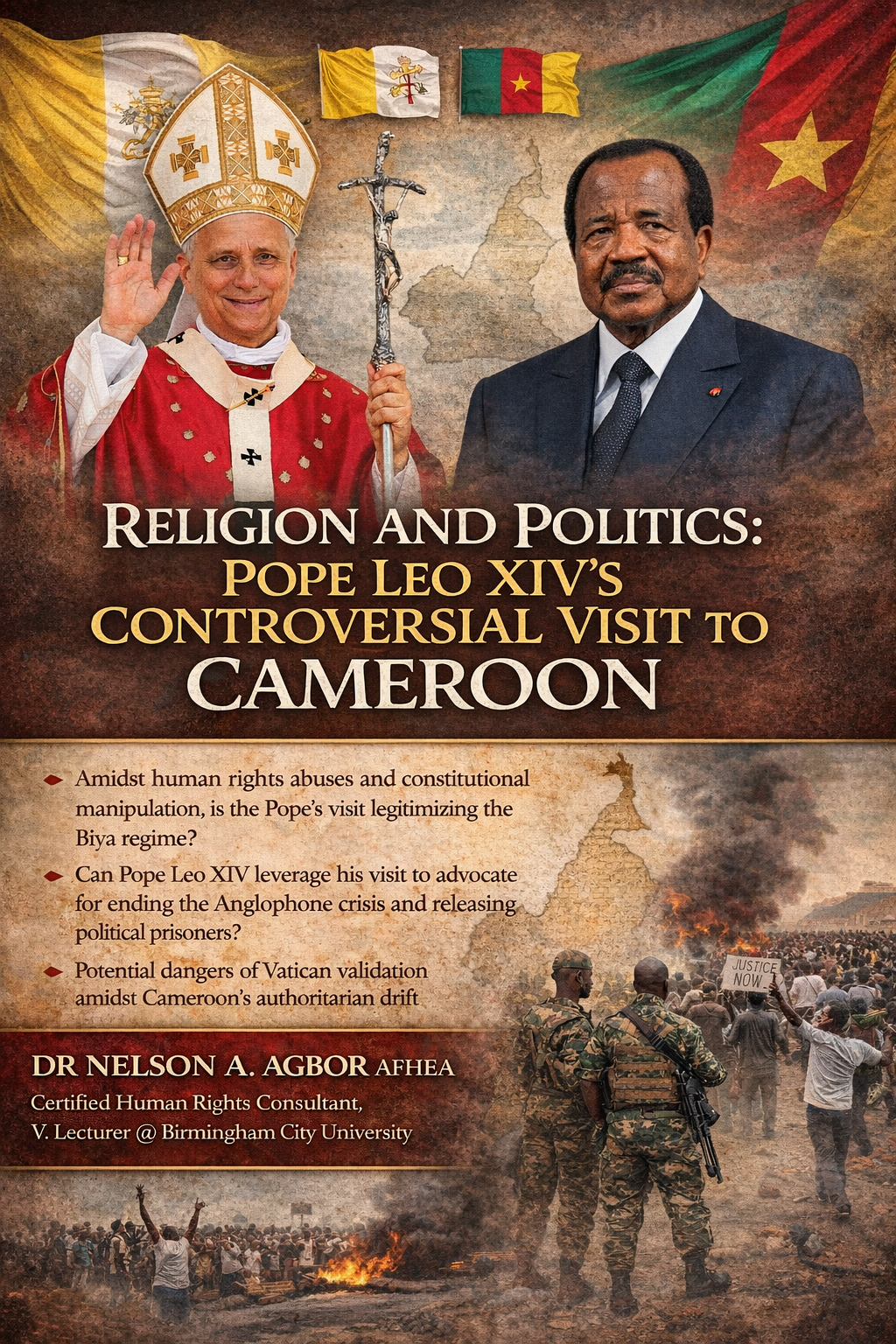
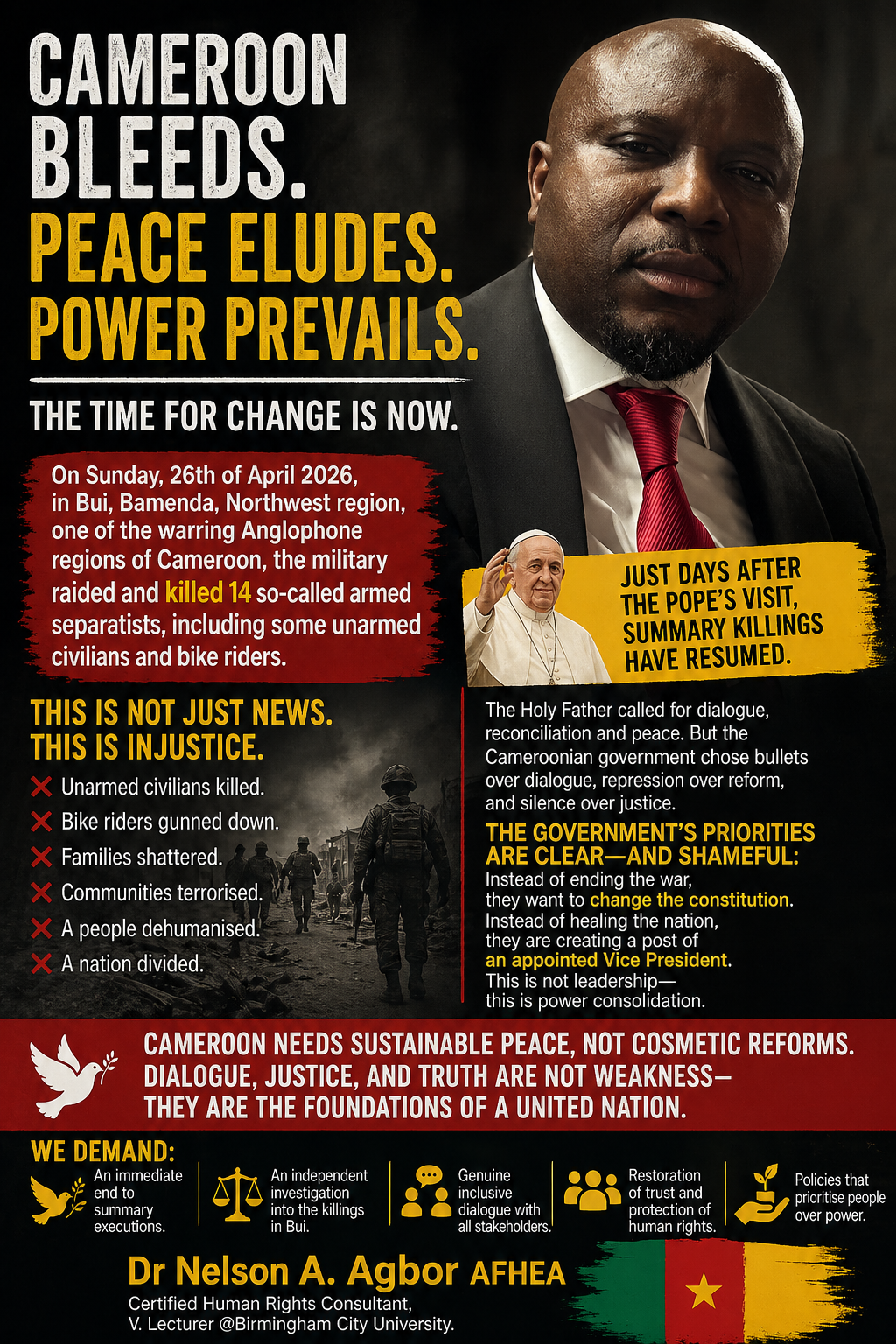
Performative Peace and Political Reality: Evaluating State Sincerity in Conflict Resolution in Cameroon’s Anglophone Crisis amid Pope Leo XIV’s Speech.

The question of sustainable peace in Cameroon remains one of the most pressing political and humanitarian crises in contemporary Africa. Despite repeated official rhetoric emphasising unity and stability, mounting evidence from humanitarian organisations, civil society actors, and international observers points to a persistent gap between state discourse and

Read More...

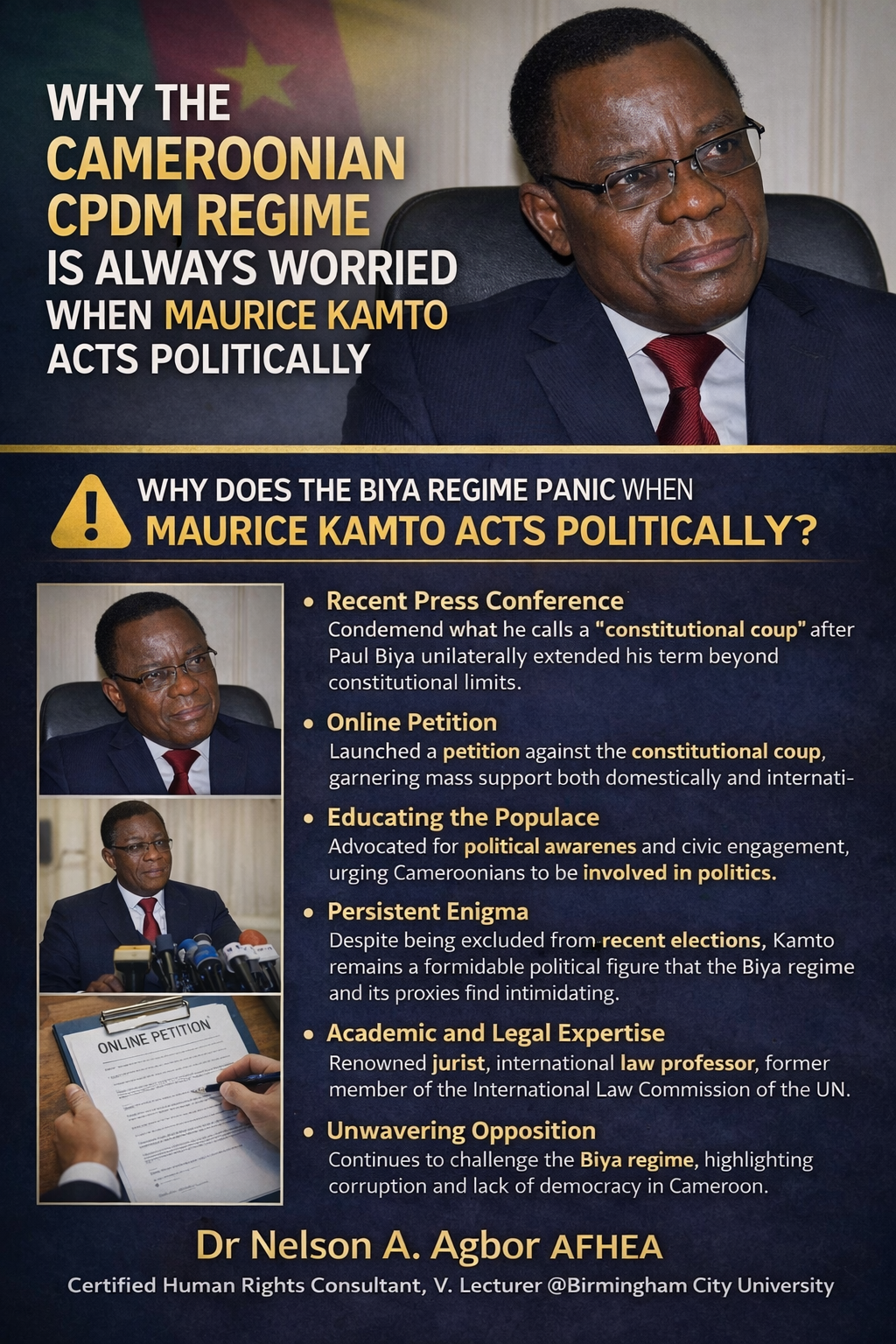
An Intellectual Threat to Authoritarian Stability: The Persistent Political Anxiety of the CPDM Regime in the Face of Maurice Kamto.

Contemporary political dynamics in Cameroon reveal a recurrent pattern: the ruling Cameroon People’s Democratic Movement (CPDM) appears persistently reactive, often entering what may be analytically described as “defensive panic mode” whenever Maurice Kamto undertakes a significant political act. This paper argues that such reactions are neither incidental nor

Read More...

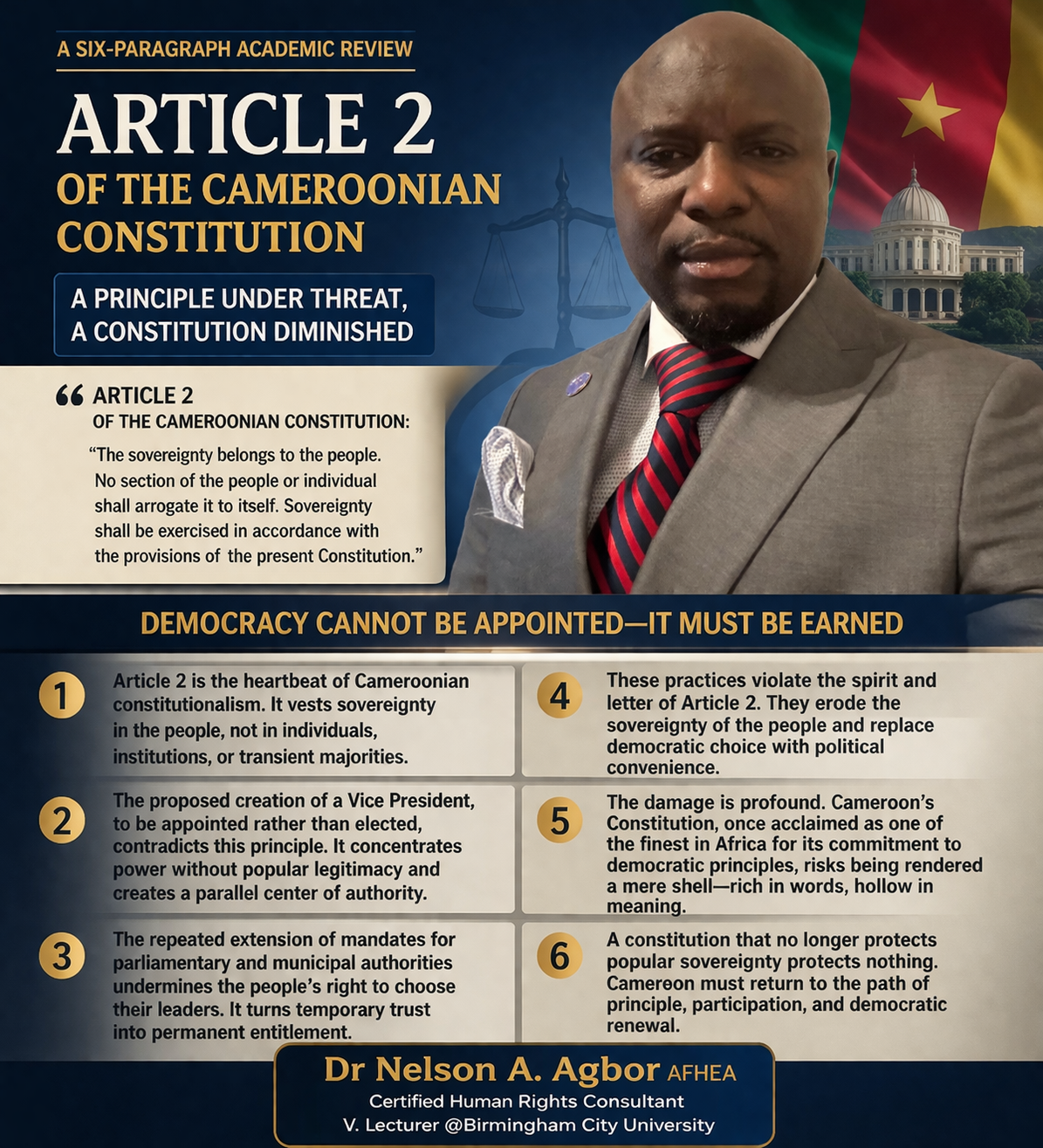
Article 2 of the Cameroonian Constitution Revisited: Democratic Principles and Constitutional Crisis of Executive Appointment and Mandate Extension.

Article 2 of the Constitution of Cameroon holds a fundamental role within the country’s constitutional framework. It asserts that national sovereignty resides with the people, who exercise it either through elected representatives or via a referendum. The provision further affirms the democratic nature of the state, emphasising that

Read More...

About Me

Legal Scholar & Human Rights Advocate

Dr Nelson A. Agbor

Visiting Lecturer in Law exploring the intersection of human rights, constitutional governance, and international law. Passionate about accessible legal education and meaningful scholarship.