Governance & Democracy

Law, politics, and power intersecting. This space explores how democratic institutions function, how authority is legitimated, and how law shapes—and is shaped by—the systems through which societies govern themselves. It’s where constitutional theory meets political reality, where representation meets accountability, and where the rule of law is tested.

Cameroon’s Anglophone Conflict: A Decade of Human Suffering, Institutional Failure and International Indifference.

An Academic Perspective on the Humanitarian, Judicial, Economic and Political Consequences of the Crisis As Cameroon’s Anglophone conflict approaches its tenth anniversary in November 2026, the continuing devastation in the North-West and South-West regions stands as one of the most troubling failures of constitutional governance, human rights protection
Read More...

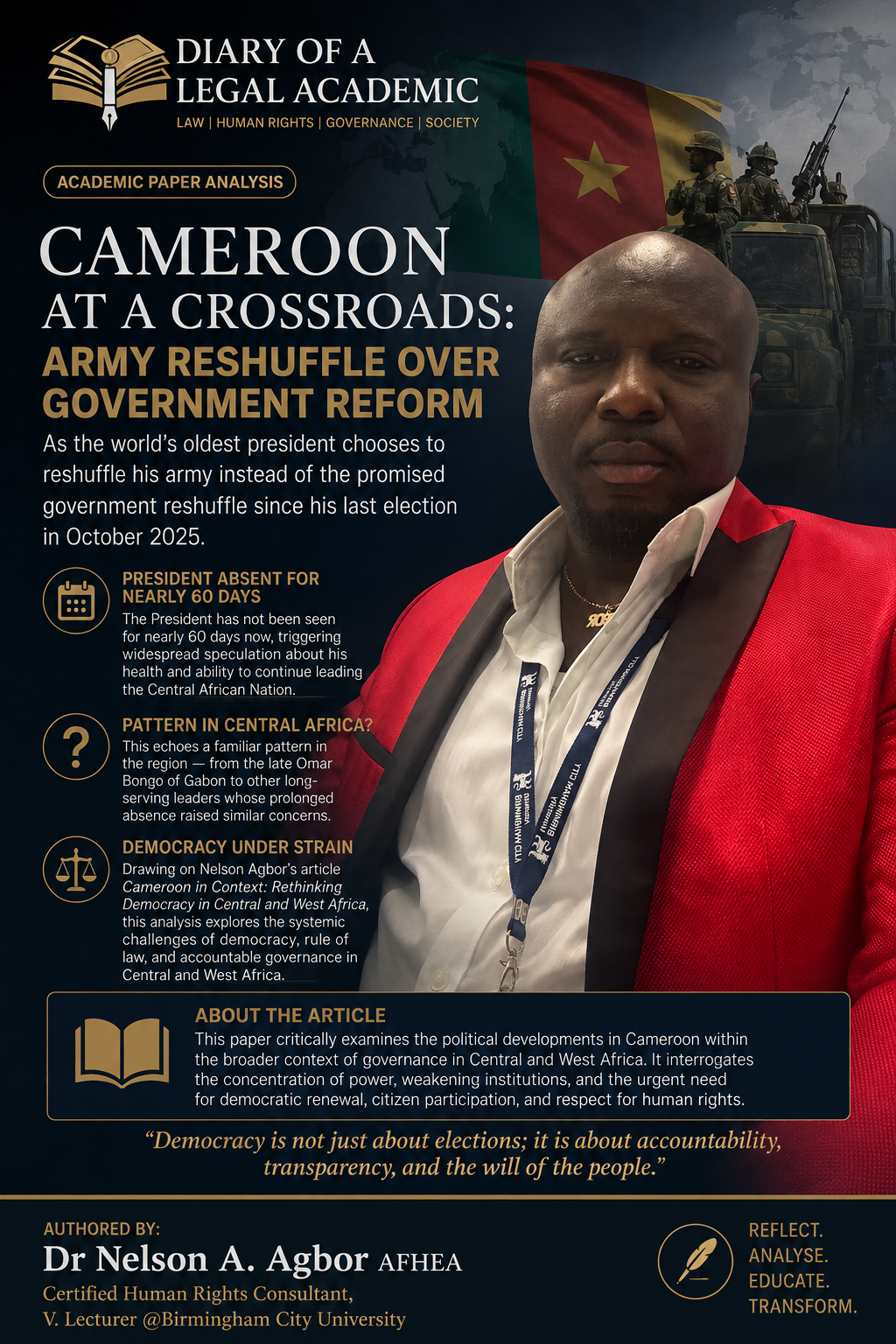
Cameroon at a Political Crossroads: Executive Continuity, Military Restructuring, and the Crisis of Democratic Governance.

Cameroon has entered one of its most uncertain political periods since President Paul Biya assumed office in 1982. Following his controversial re-election in October 2025 for an unprecedented eighth term, expectations grew that the president would undertake a long-promised government reshuffle to address mounting concerns over governance, economic

Read More...

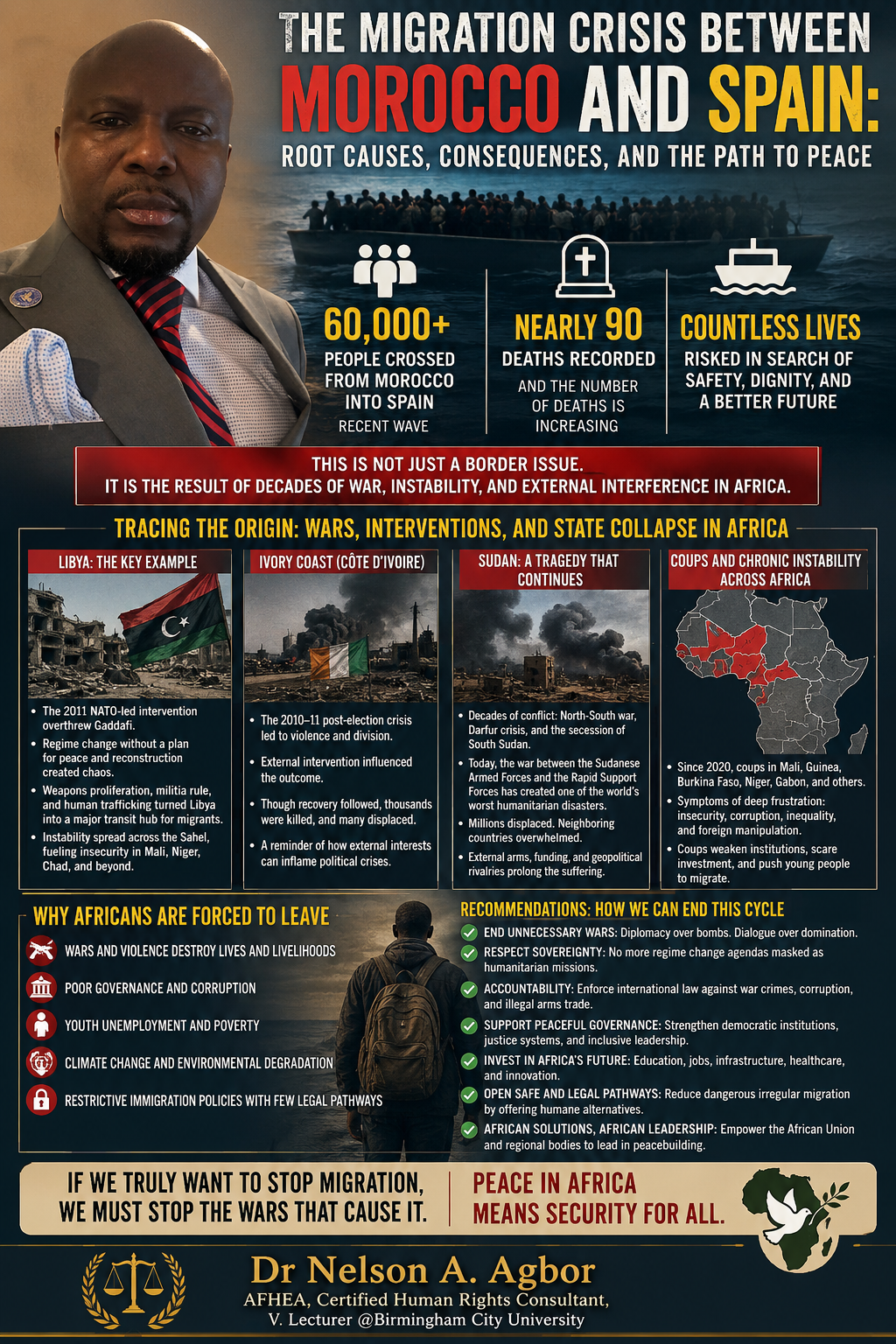
The Contemporary Migration Crisis Between Morocco and Spain: Conflict, State Fragility, and the International Politics of Displacement

The recent rise in irregular migration from Morocco to Spain has once again highlighted the complex humanitarian and geopolitical challenges facing Europe. Reports of tens of thousands of migrants attempting to reach Spanish territory, alongside a rising death toll approaching ninety fatalities in some recent incidents, underscore the

Read More...

CAMEROON GCE 2026 LEAKAGE: BETRAYAL OR INSTITUTIONAL FAILURE OF A SYSTEM

By Prof. Tarh Ntantang INTRODUCTION The Cameroon General Certificate of Education (GCE) Examination has historically represented one of the most important educational institutions within the Anglophone sub-system of education in Cameroon. It serves not only as an assessment mechanism but also as a gateway to higher education, employment

Read More...

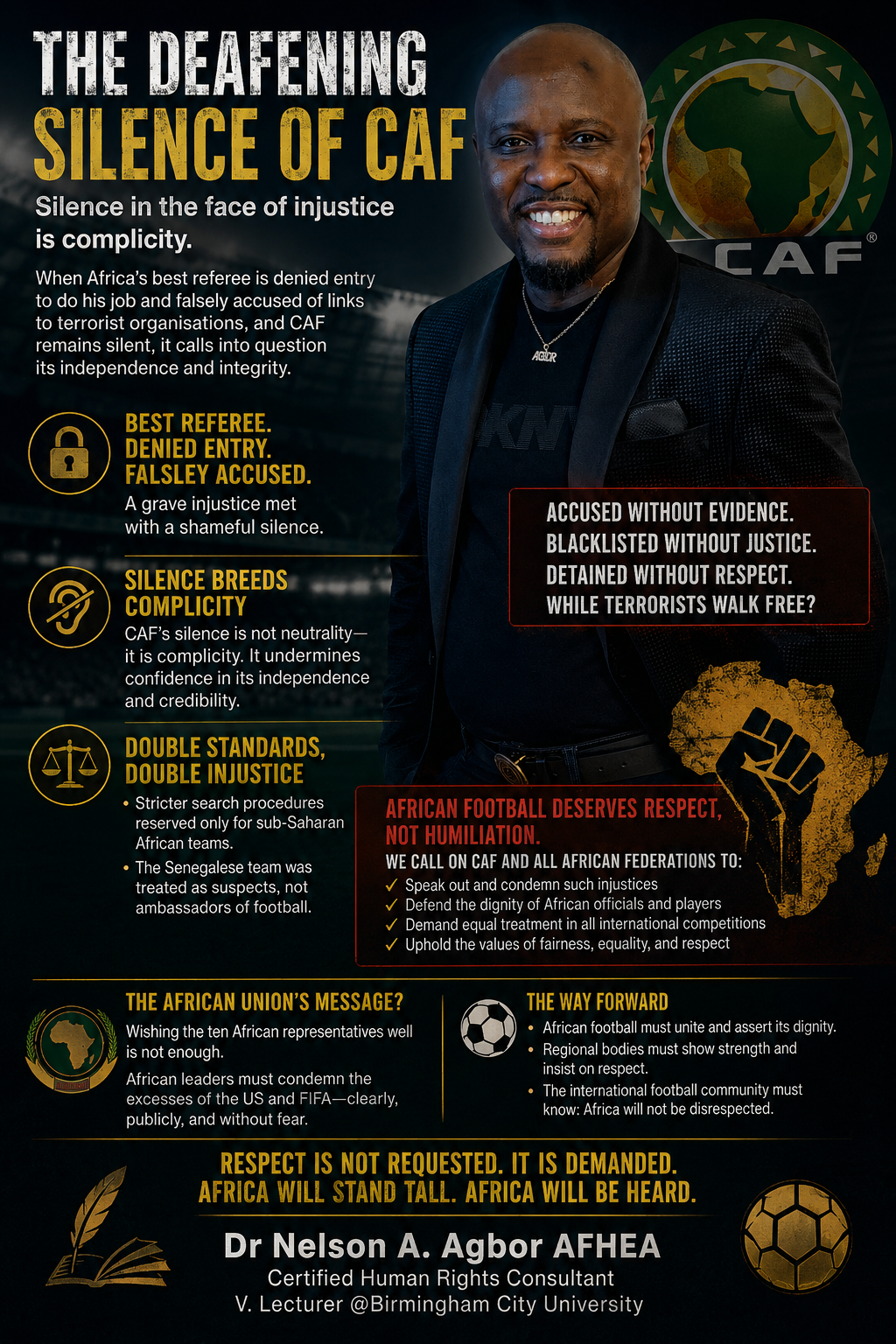
Silence as Complicity: CAF, Institutional Independence, and the Marginalisation of African Football.

The controversy surrounding the reported refusal of entry to a leading African referee and the allegations linking him to terrorist organisations raise profound questions about justice, due process, and institutional responsibility within international football governance. Beyond the individual circumstances of the case, the Confederation of African Football’s (CAF)

Read More...

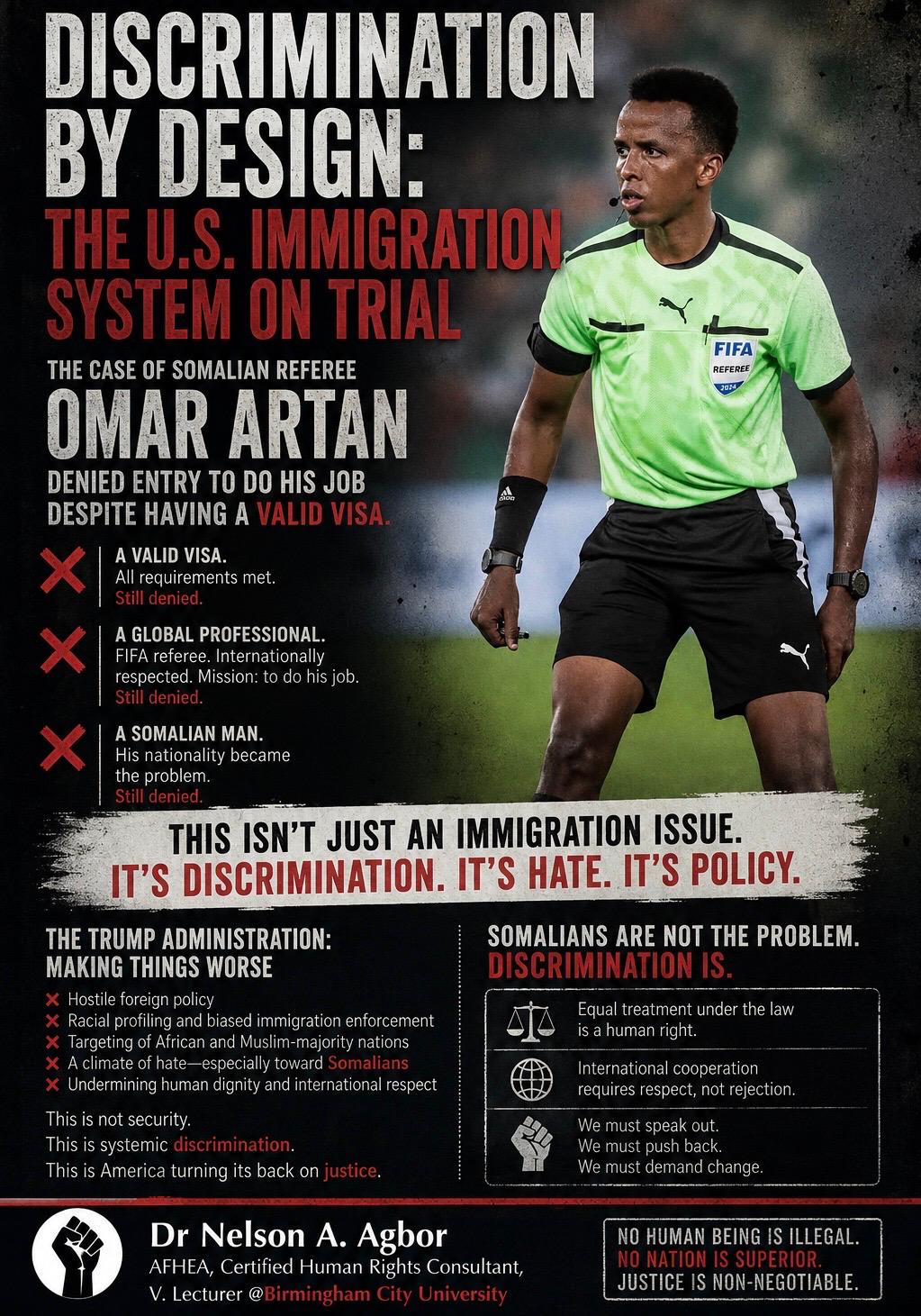
Visa Validity and Border Exclusion: The Denial of Entry to Somali Referee Omar Artan and the Question of Discrimination in U.S. Immigration Policy.

The reported denial of entry to Somali refugee Omar Artan, despite his possession of a valid U.S. visa, raises profound questions about fairness, equality, and discrimination within the US immigration system. US immigration law grants broad discretionary powers to border officials. Yet the exercise of such discretion often

Read More...

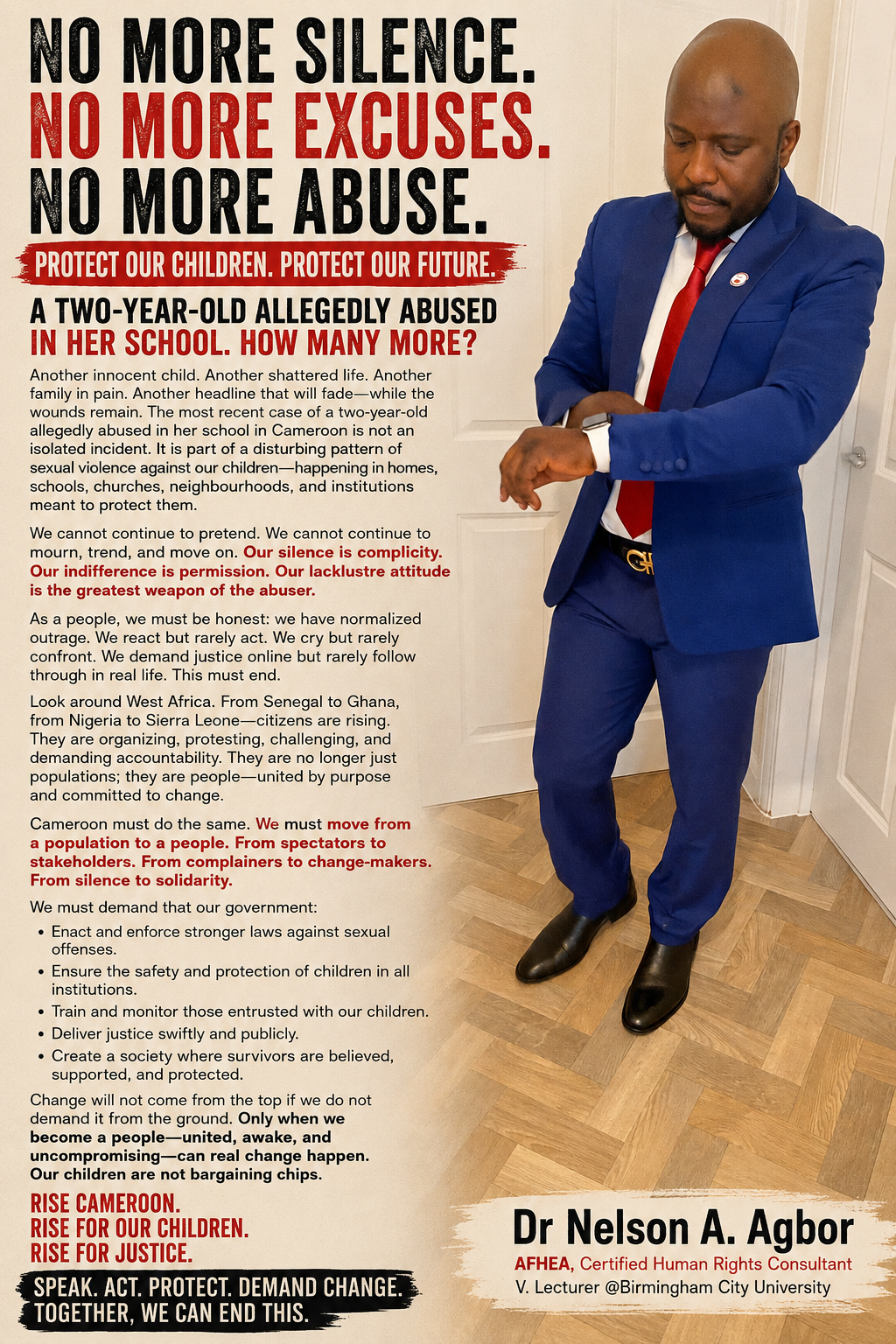
From Population to People: Sexual Violence, Public Apathy, and the Crisis of Civic Consciousness in Cameroon Following the Alleged Abuse of a Two-Year-Old Child in School.

The alarming prevalence of sexual abuse in Cameroon has become one of the gravest social crises facing the nation today. The recent allegation of sexual abuse against a two-year-old child in a school setting has once again shocked the public conscience and exposed the vulnerability of children in

Read More...

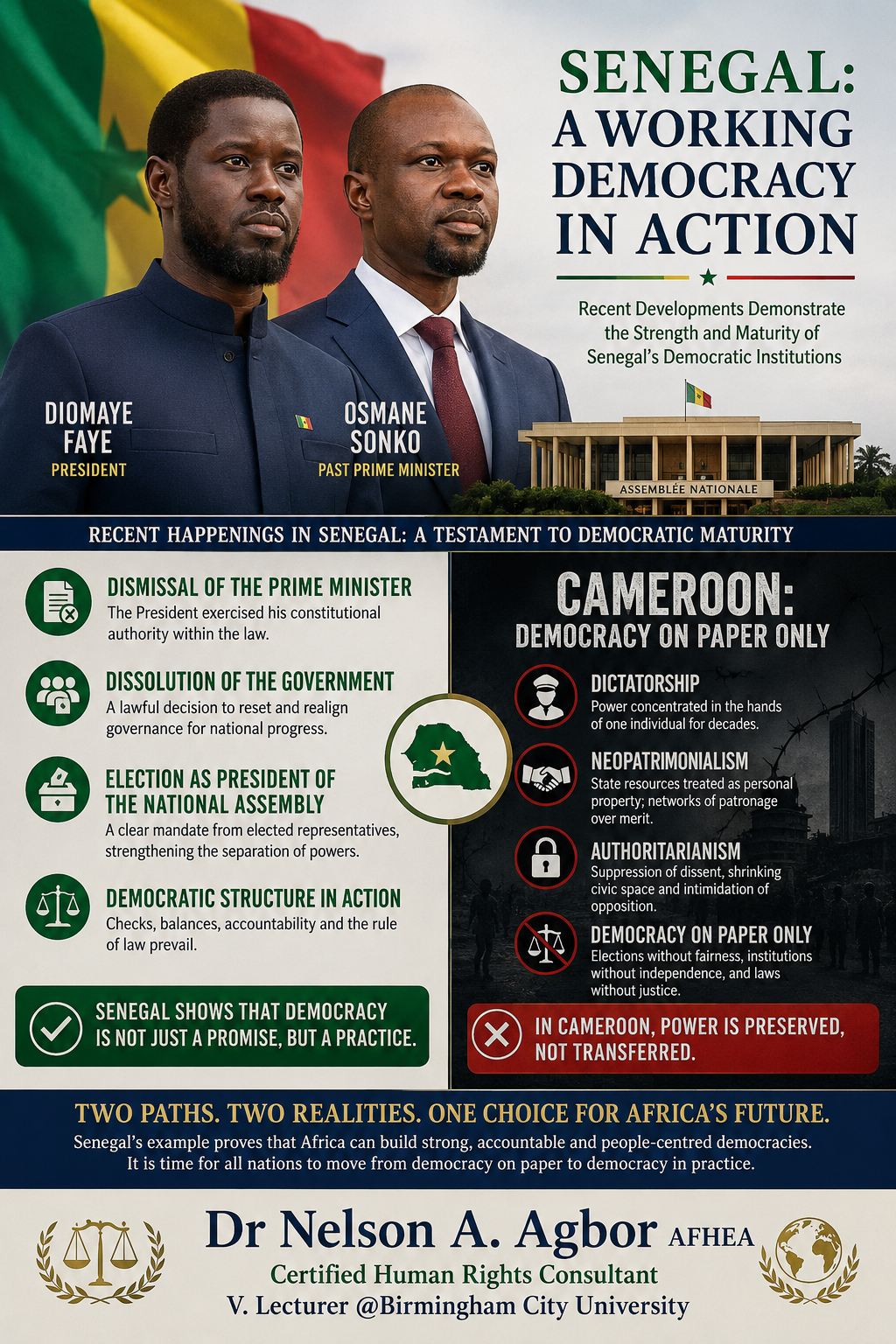
Democratic Consolidation in Senegal and Democratic Regression in Cameroon: A Comparative Analysis of Institutional Governance in Contemporary Africa.

The recent political developments in Senegal, including President Bassirou Diomaye Faye’s dismissal of Prime Minister Ousmane Sonko, the dissolution of the government, and Sonko’s subsequent emergence as a central parliamentary actor, provide a compelling contemporary illustration of democratic institutional resilience in Africa. Rather than descending into constitutional crisis,

Read More...

About Me

Legal Scholar & Human Rights Advocate

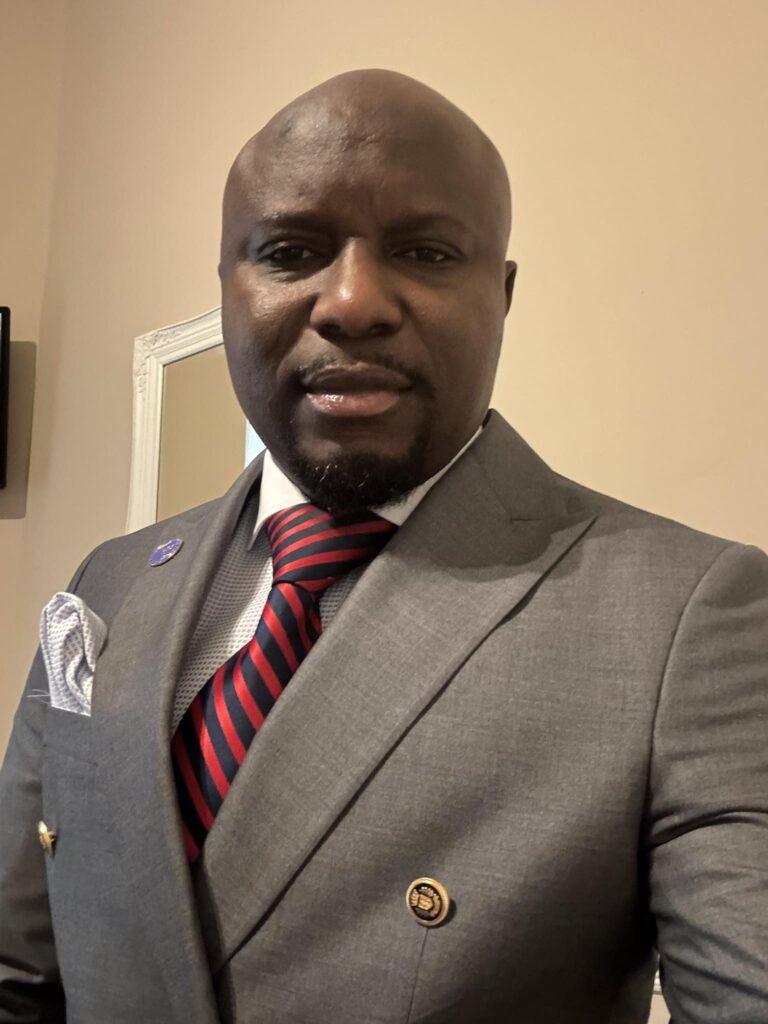
Dr Nelson A. Agbor

Visiting Lecturer in Law exploring the intersection of human rights, constitutional governance, and international law. Passionate about accessible legal education and meaningful scholarship.