Public International Law

Law beyond borders. Public international law governs the relationships between nations, the treaties that bind states, and the evolving frameworks for addressing global challenges. It examines sovereignty, responsibility, conflict resolution, and how international institutions mediate between national interests and universal principles. It’s law in a multipolar world.

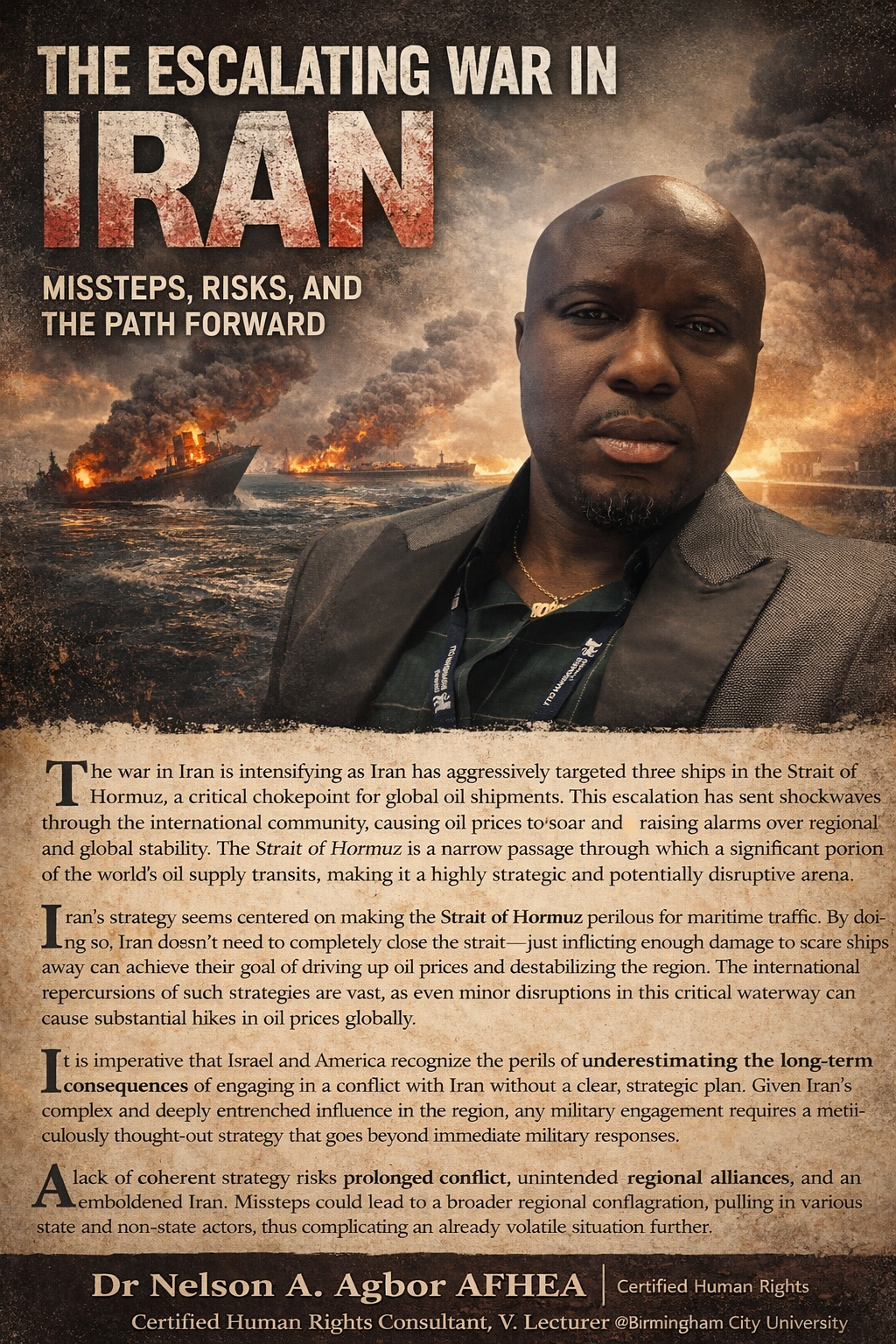
A Conflict Prolonged: Leadership Failures, Diplomatic Delay, and Iran’s Strategic Advantage in the Ceasefire with the United States.

The recent ceasefire agreement between Iran and the United States marks a significant, albeit delayed, shift towards diplomacy in a relationship long characterised by hostility, strategic mistrust, and episodic escalation. From an international relations standpoint, this development highlights the continued importance of negotiation as a tool for de-escalation,

Read More...

BRICS NATIONS AND THE GLOBAL POWER SHIFT DYNAMICS

By Dr Tarh Ntantang Abstract The Global Economic Order has mostly been dominated by World Bank and the International monetary funds (IMF) which has been the station quo since the end of the cold war in 19991. But the rise of the BRICS an alliance of sub regional

Read More...

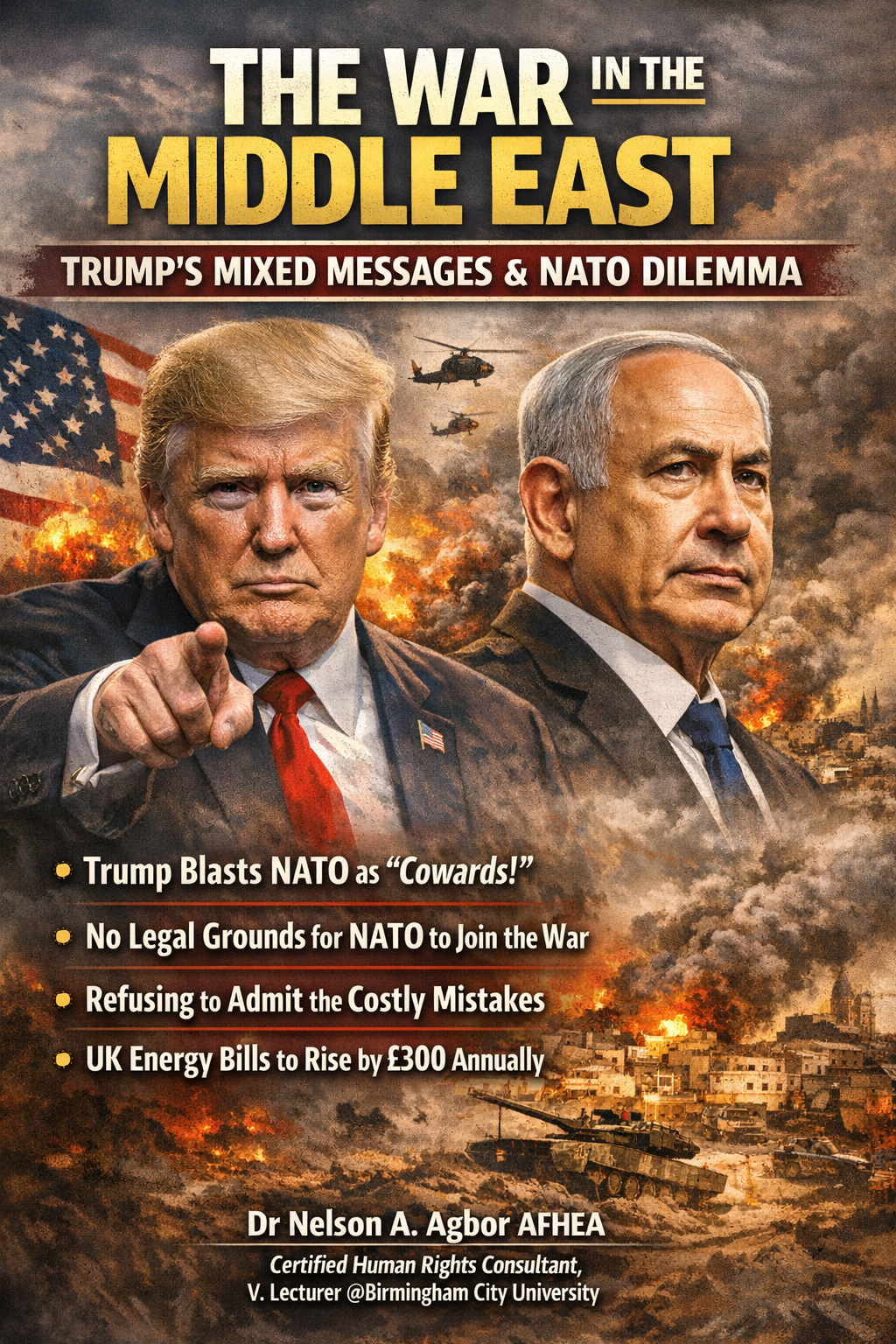
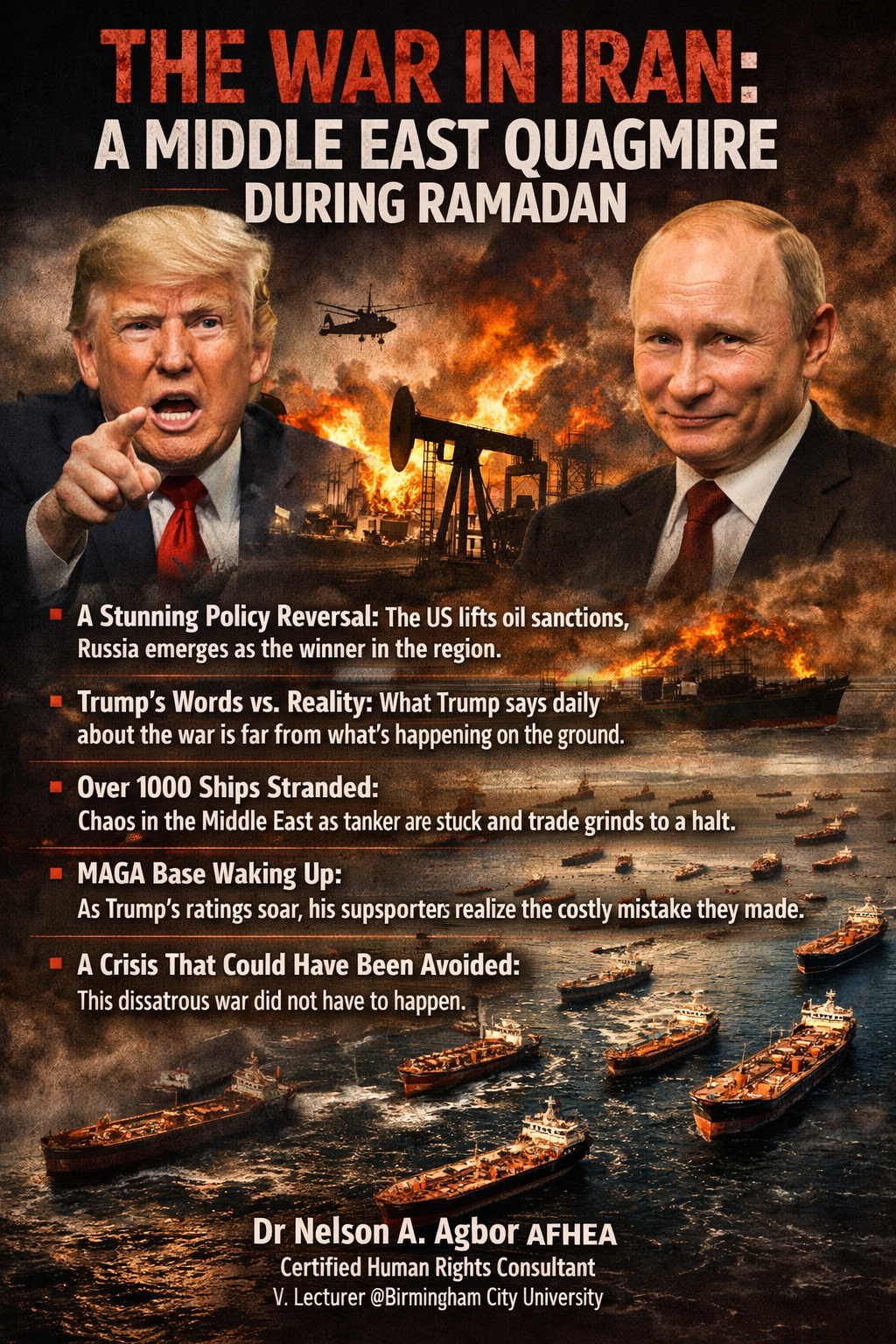
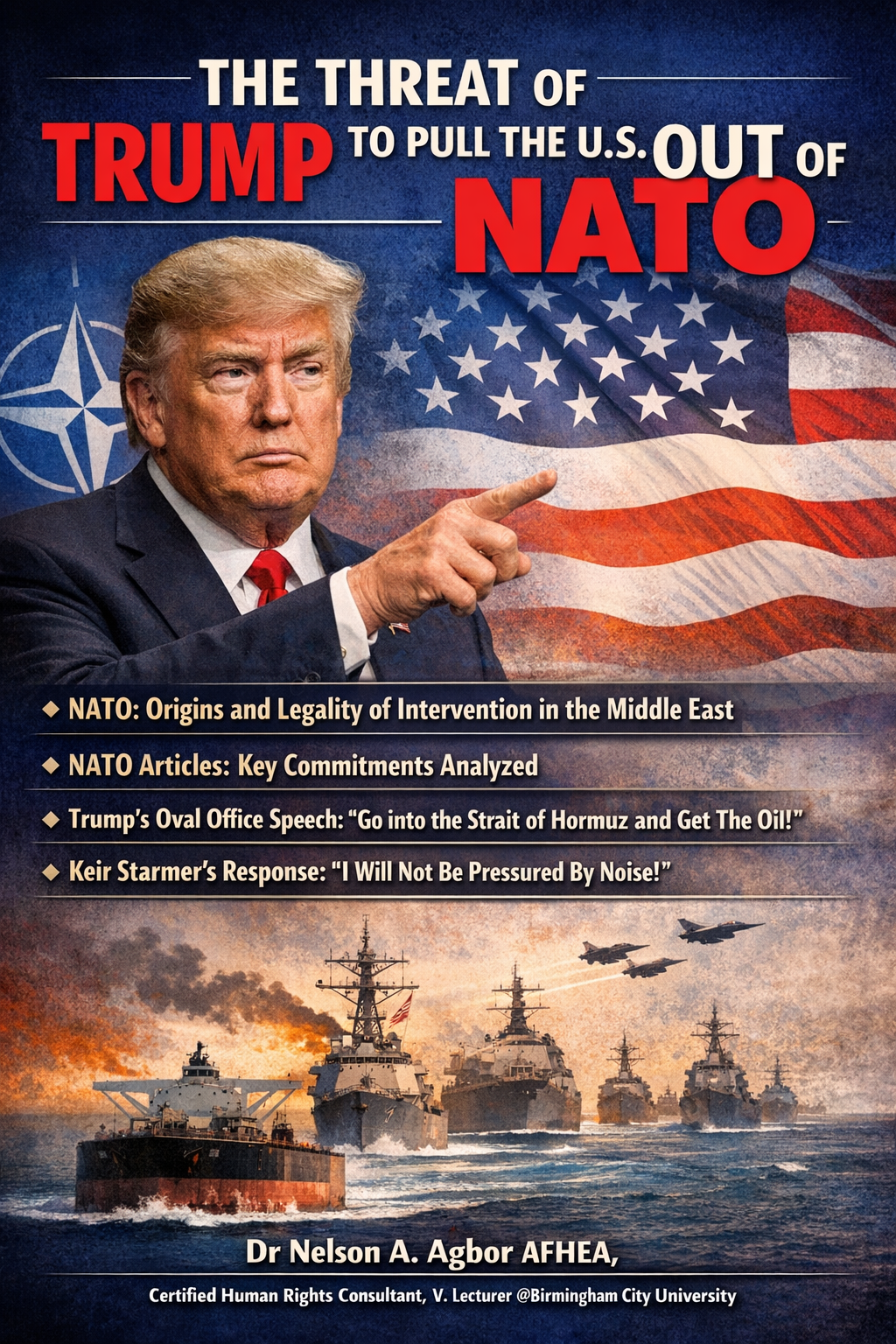
Withdrawal, Coercion, and Collective Defence: Legal and Strategic Limits of Donald Trump’s NATO Exit Threat in the Context of the 2026 Hormuz Crisis.

The renewed threat by Donald Trump to withdraw the United States from NATO must be viewed within both the alliance’s foundational principles and the evolving constitutional and geopolitical constraints that influence U.S. involvement. NATO was created in 1949 as a collective defence pact primarily aimed at deterring Soviet

Read More...

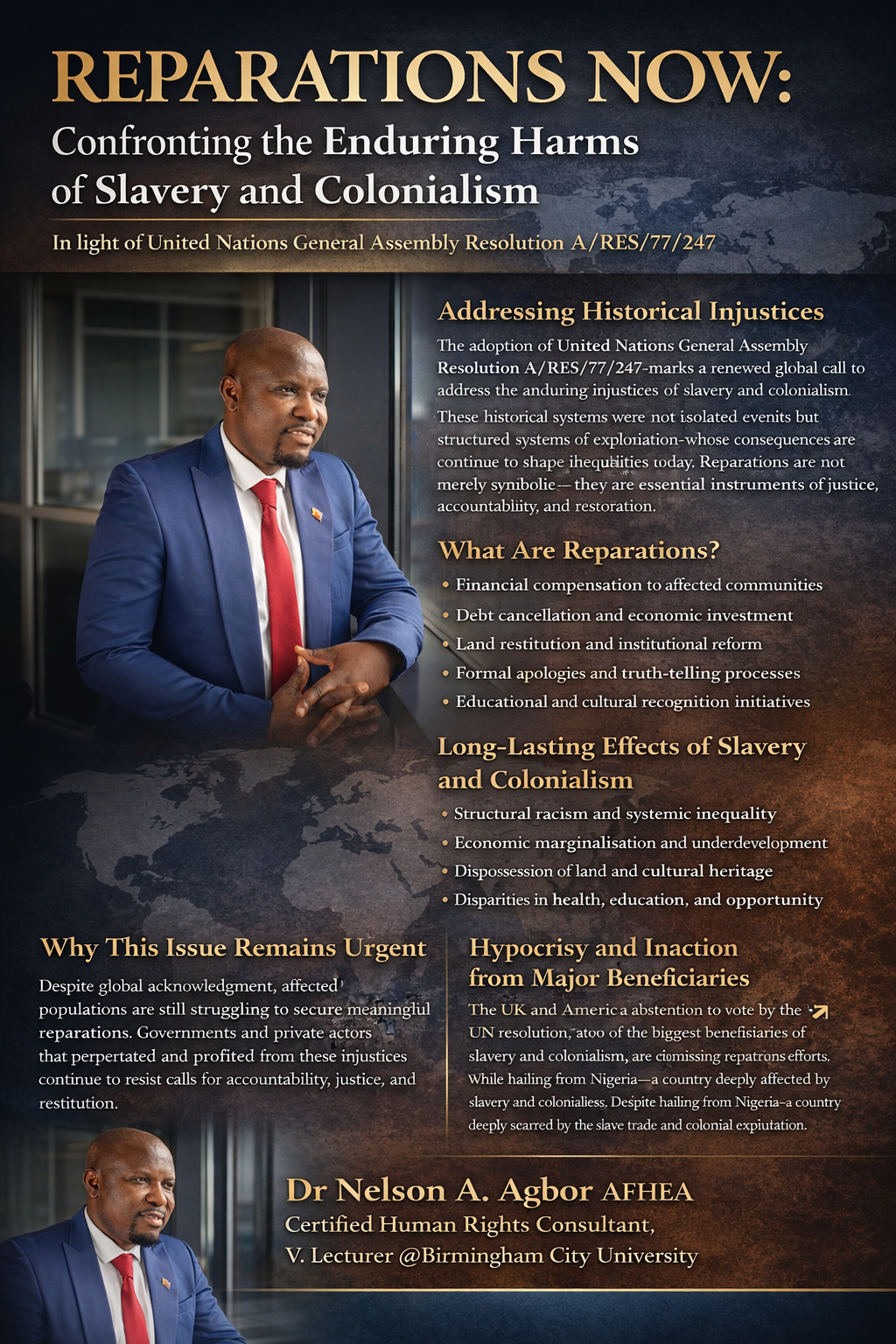
Legacies of Exploitation: Why Reparations for Slavery and Colonialism Remain Urgent in the 21st Century.

The issue of reparations for the historical injustices of slavery and colonialism has re-emerged as a key topic in international human rights discussions, especially following United Nations General Assembly Resolution A/RES/78/234, which urges renewed global focus on reparatory justice. This resolution indicates a growing awareness that the legacies

Read More...

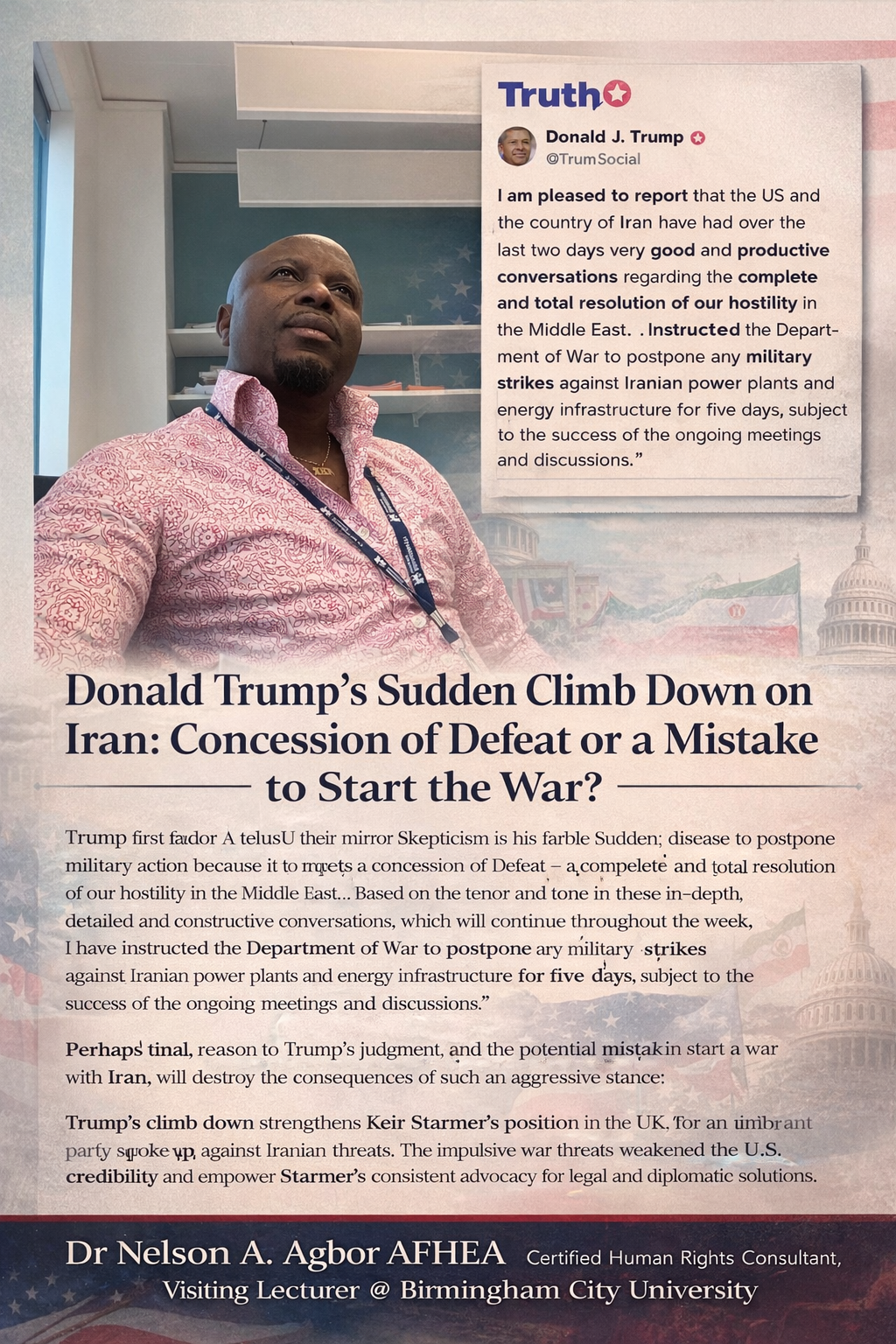
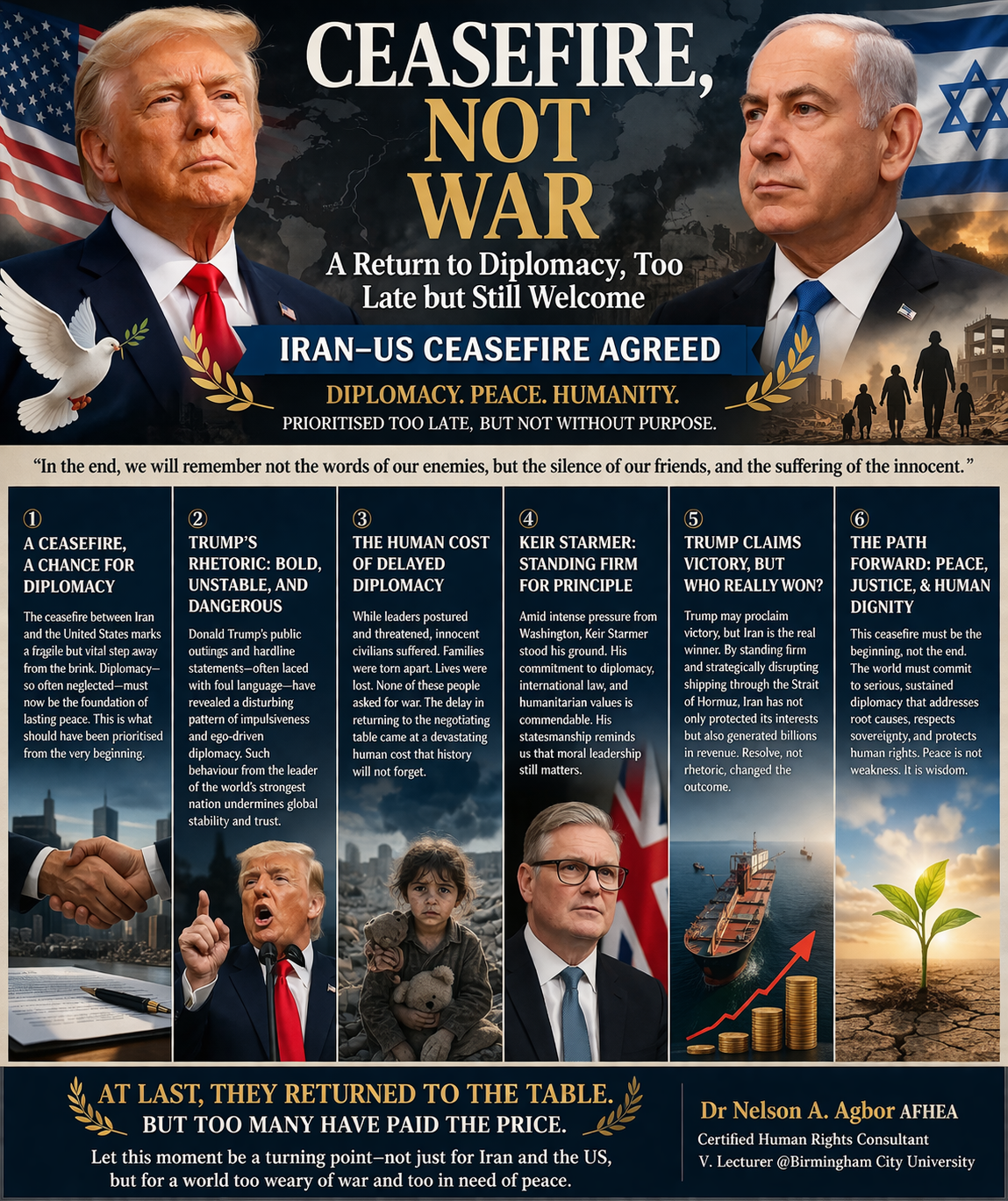
From ultimatum to Diplomacy: Reassessing Donald Trump’s Iran Strategy and its Implications for Western Leadership.

The recent remarks by Donald Trump regarding Iran mark a notable rhetorical shift from confrontation to cautious diplomacy. Following a perceived 48-hour ultimatum threatening the “obliteration” of Iranian infrastructure, Trump’s subsequent message on Truth Social highlighted “very good and productive conversations” and a temporary pause to military action.

Read More...

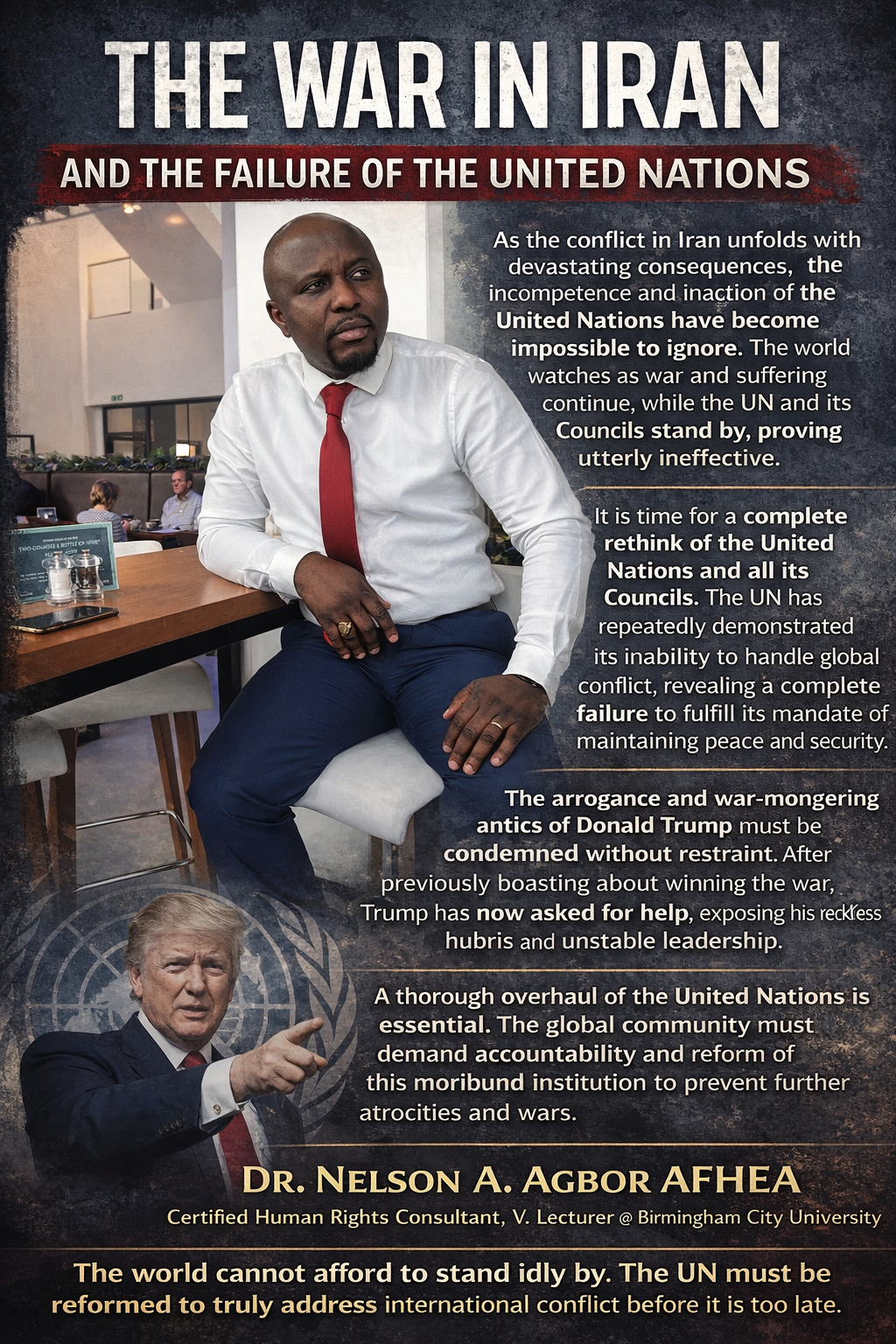
War in Iran and the Crisis of Global Governance: Rethinking the Role and Structure of the United Nations.

The ongoing war in Iran has become a key geopolitical crisis of the early twenty-first century, revealing fundamental weaknesses in global governance and multilateral diplomacy. As tensions have increased across the region, the international community has found it difficult to respond effectively to growing humanitarian crises, regional instability,

Read More...

About Me

Legal Scholar & Human Rights Advocate

Dr Nelson A. Agbor

Visiting Lecturer in Law exploring the intersection of human rights, constitutional governance, and international law. Passionate about accessible legal education and meaningful scholarship.