
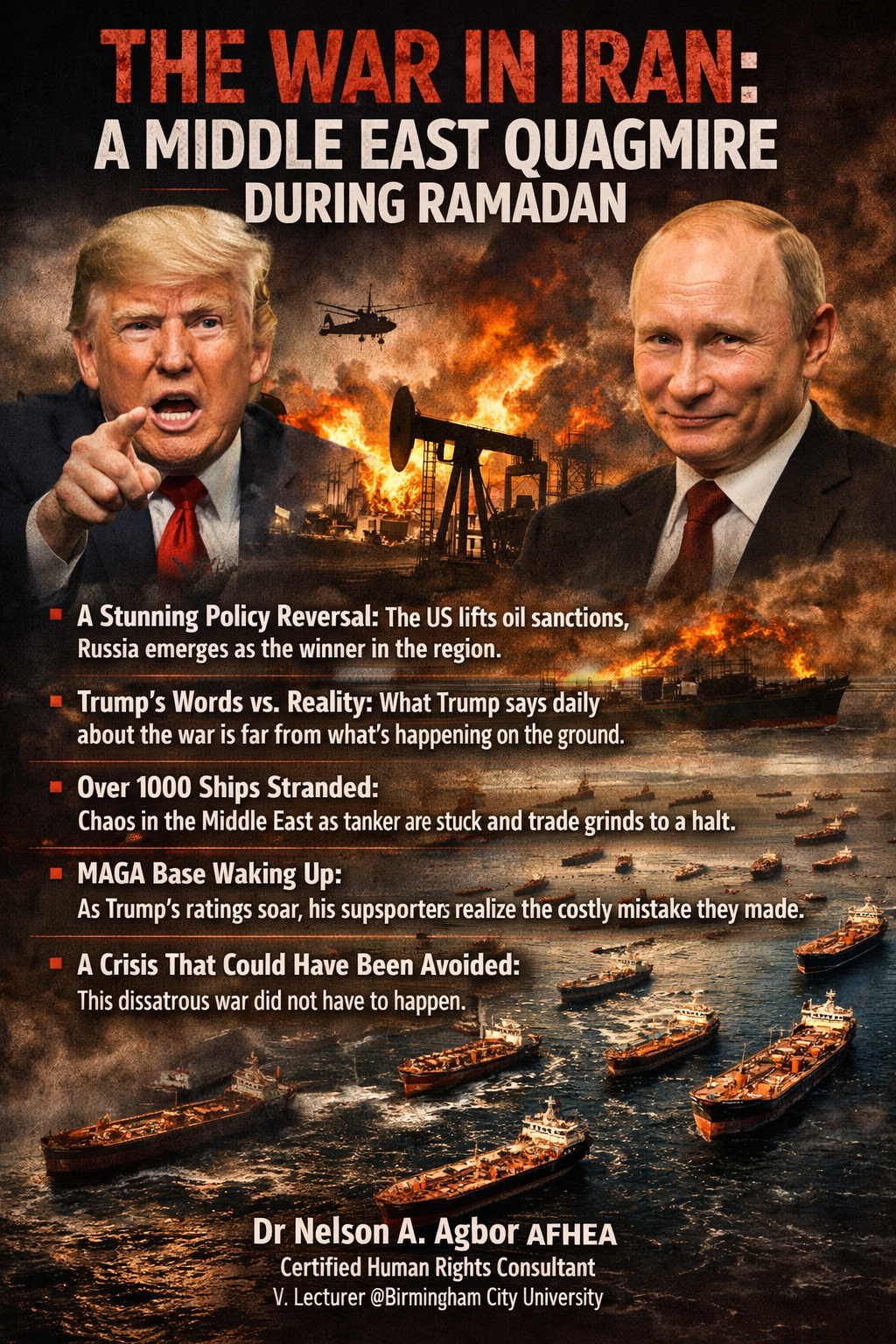
The ongoing conflict in the Middle East involving Iran, the United States, Israel, and regional actors has escalated during Ramadan 2026, turning a regional dispute into a systemic crisis for the Middle East and the global economy. It started after joint U.S.–Israeli strikes on Iranian targets, which prompted Tehran to retaliate with missile attacks, naval operations, and the effective closure of the Strait of Hormuz. This maritime chokepoint normally handles about one-fifth of the world’s oil supply, so its disruption triggered a strategic shock to global energy markets. As tanker traffic came to a halt and oil prices soared above $100 per barrel, the conflict quickly transitioned from a military confrontation to an economic crisis with worldwide repercussions.
The timing of the escalation during Ramadan has heightened its political symbolism and regional importance. While Ramadan often coincides with a temporary lull in regional conflicts, the current crisis has instead expanded hostilities across the Persian Gulf and the Levant. Iranian forces have targeted commercial shipping and threatened to blockade the Strait of Hormuz, while regional actors, including Gulf states and militant groups aligned with Tehran, have become involved indirectly through missile and drone attacks. This maritime insecurity has halted or greatly reduced shipping traffic, leaving many vessels waiting outside the strait and raising fears of a prolonged energy crisis and supply disruptions.
A significant development in the crisis has been the abrupt policy shift by the United States regarding Russian energy sanctions. Faced with rising oil prices and fears of a potential global recession, the U.S. government issued a temporary exemption allowing countries to purchase Russian oil already stranded at sea. This measure, aimed at stabilising energy markets, represents a notable departure from earlier efforts to isolate Moscow economically following its invasion of Ukraine. The exemption permits the sale of tens of millions of barrels of previously sanctioned oil and underscores Washington’s urgent attempt to counteract supply disruptions caused by the Iran conflict.
From a geopolitical standpoint, this decision potentially grants Moscow an unexpected strategic advantage. Russia, whose energy exports have been curtailed by Western sanctions since 2022, could benefit from renewed access to global markets when oil prices are high. Critics argue that easing sanctions undermines the broader Western strategy of economic pressure on the Kremlin and unintentionally strengthens Russia’s geopolitical position. Even U.S. officials concede that the waiver might assist Moscow, though they maintain it is a temporary measure to prevent an energy crisis from escalating into a global recession.
Another aspect of the crisis is the growing divide between political messaging and practical realities on the ground. Public statements from U.S. leadership often emphasise progress in securing maritime routes and weakening Iranian capabilities. However, reports from the shipping industry and maritime analysts indicate that vessels remain stranded or are hesitant to transit the area due to the threat of missile, drone, or mine attacks. Tanker operators describe ships in the Gulf as “sitting ducks,” highlighting the ongoing danger and the limited ability of naval forces to restore normal commercial traffic in the short term.
In conclusion, the war in Iran has swiftly become a multidimensional crisis, involving military escalation, global energy disruptions, and shifting geopolitical alliances. The United States’ decision to temporarily relax sanctions on Russian oil highlights the strategic dilemmas created by the conflict: stabilising energy markets may also strengthen geopolitical rivals. As the conflict continues through Ramadan, the interplay between battlefield developments, economic pressures, and domestic political narratives will influence the next stage of the crisis. The outcome will not only shape the balance of power in the Middle East but may also redefine the strategic landscape of global energy and international politics.
Dr Nelson A. Agbor AFHEA
Certified Human Rights Consultant
V. Lecturer @Birmingham City University.




