
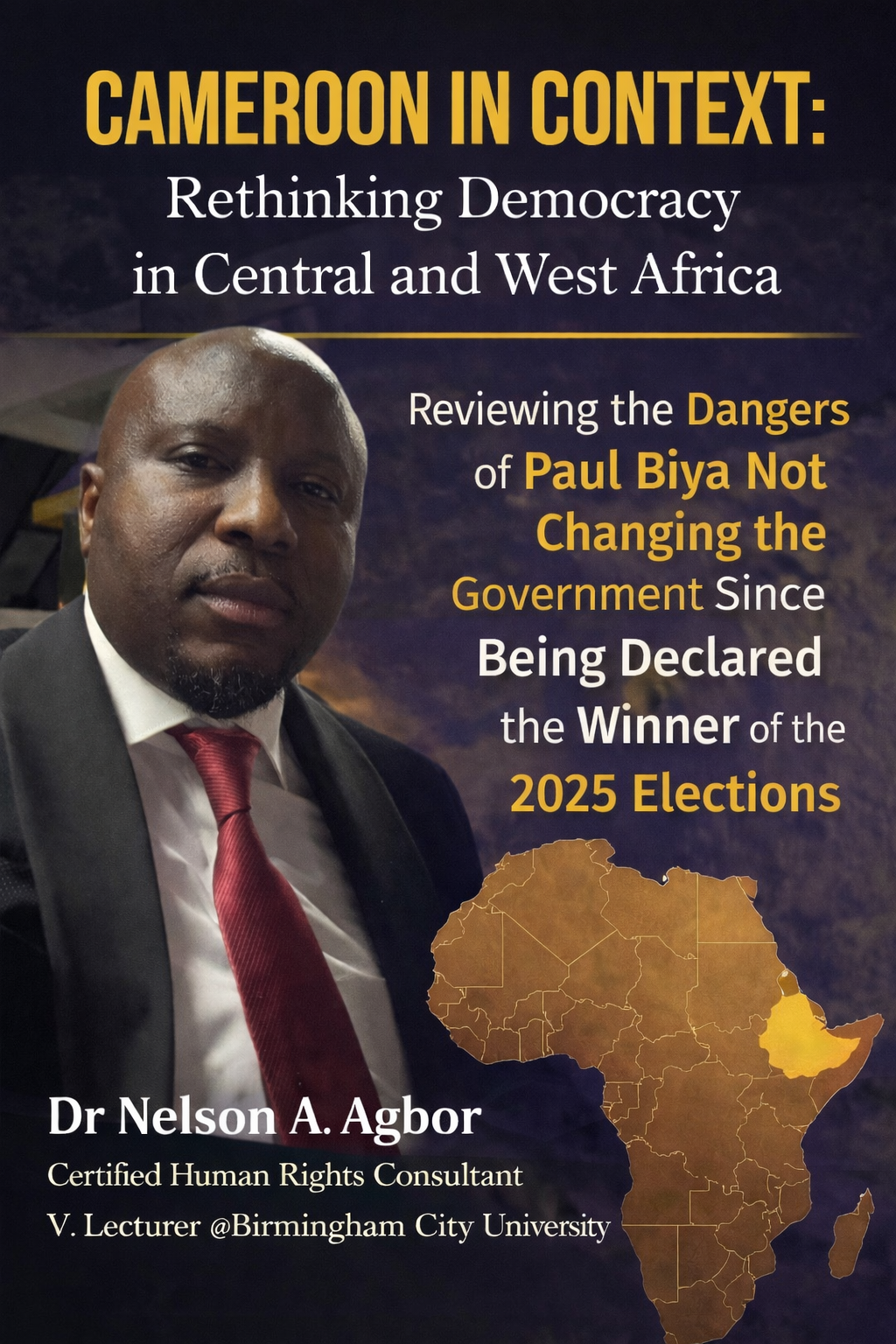
Cameroon plays a crucial part in debates about democracy and governance in Central and West Africa. Since independence in 1960, the country has experienced long periods of centralised political control, culminating in the extended rule of President Paul Biya. Biya first assumed power in 1982 and has remained the leading political figure for over four decades. In the 2025 presidential election, Cameroon’s Constitutional Council declared him the winner with around 53.66% of the vote, securing an eighth presidential term. This outcome has renewed concerns among scholars and observers about democratic stagnation in the region. The persistence of entrenched leadership and the limited change in power raise significant questions about institutional stability, electoral credibility, and the broader trajectory of democracy in Central and West Africa.
One of the most urgent issues following the 2025 election is the absence of political renewal in Cameroon’s government. Biya, now in his nineties, remains the world’s oldest serving head of state and has led Cameroon since 1982. Critics contend that his continued rule indicates a system designed to maintain elite dominance rather than foster democratic competition. In 2008, constitutional amendments abolished presidential term limits, allowing Biya to extend his tenure indefinitely. As a result, Cameroon’s political system has become highly centralised, with the ruling Cameroon People’s Democratic Movement controlling state institutions and limiting opportunities for opposition parties to gain power. Such concentration of power undermines democratic accountability and diminishes the legitimacy of electoral processes.
The aftermath of the 2025 election exposes the dangers of extended incumbency without authentic governmental reform. Opposition leaders and civil society organisations have accused the government of electoral fraud and manipulation, claiming that the results did not reflect the popular will. These allegations sparked widespread protests across major cities, including Douala and Yaoundé. Security forces responded with violence, resulting in casualties and mass arrests. Such aggressive responses to political dissent underscore the fragile state of democratic institutions in Cameroon. When elections are viewed as unfair, public confidence in the political system diminishes, increasing the risk of unrest and political instability.tability.
Beyond immediate protests, the ongoing dominance of a single leader poses long-term risks for governance and regional stability. Analysts warn that Cameroon faces an impending succession crisis due to the lack of a clear institutional framework for leadership transfer. In many African political systems influenced by “big man” politics, power often revolves around individuals rather than institutions. This pattern can lead to sudden crises when ageing leaders leave office without established democratic mechanisms for succession. In Cameroon’s case, extended political stagnation also worsens other national challenges, including economic inequality, youth unemployment, and ongoing conflict in the English-speaking regions. Without reforms that strengthen democratic institutions and promote political competition, these issues could worsen.
In conclusion, Cameroon’s political journey underscores broader challenges confronting democracy in Central and West Africa. The re-election of President Paul Biya in 2025 demonstrates how deeply rooted leadership can weaken democratic institutions, incite political unrest, and postpone necessary reforms. Although elections remain a vital element of democratic governance, their legitimacy depends on transparency, fair competition, and the real potential for leadership change. Cameroon’s experience suggests that the future of democracy in the region will rely on institutional reforms that promote accountability, respect political pluralism, and facilitate peaceful transitions of power. Without such reforms, the risks associated with prolonged incumbency may continue to threaten both national stability and democratic development.
Dr Nelson A. Agbor AFHEA
Certified Human Rights Consultant
V. Lecturer @Birmingham City University




